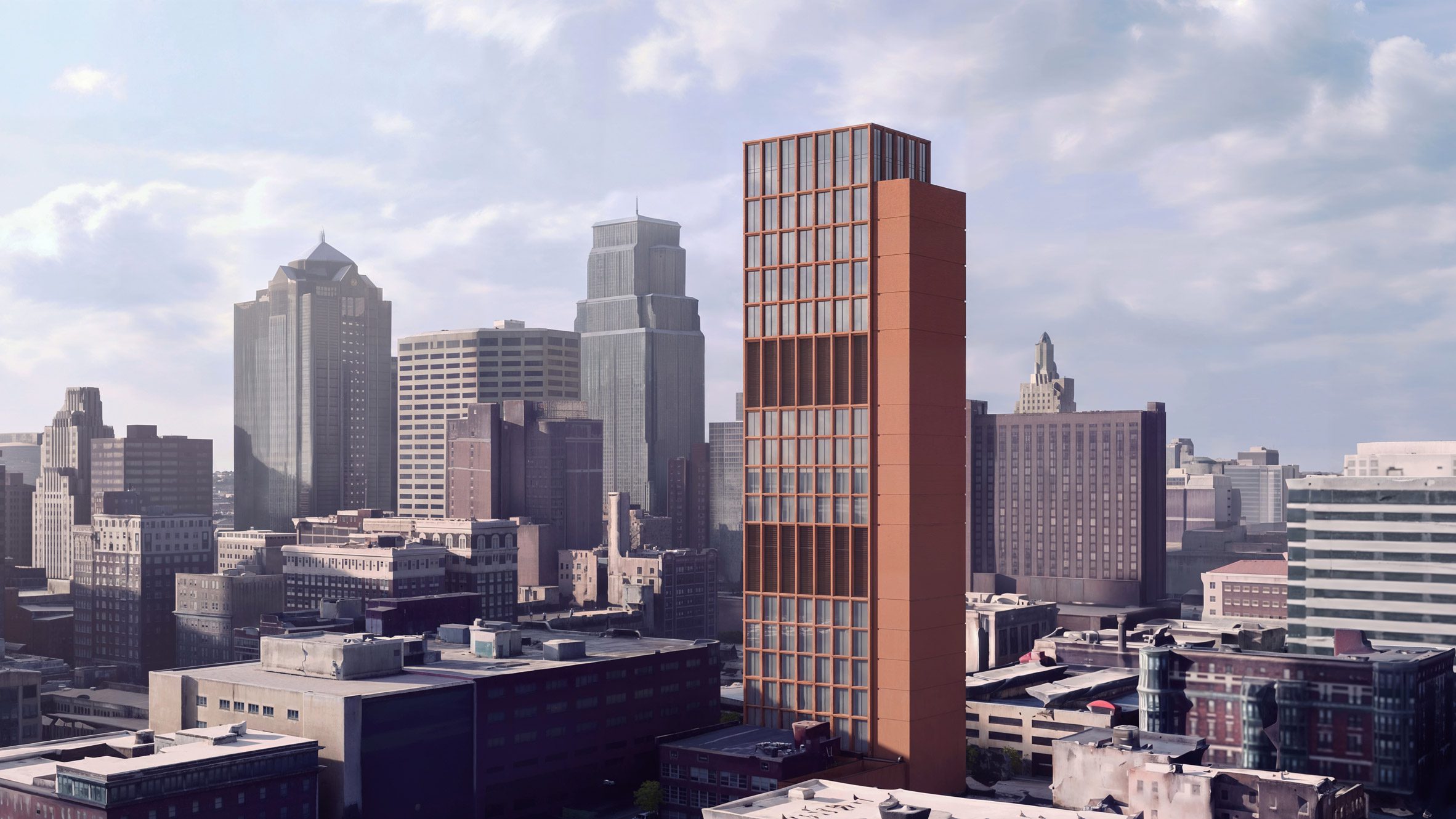
Images by SOM
Images source: Dezeen
In a bold departure from the expansive, warehouse-style “data farms” dominating the technology landscape, international architecture studio SOM has unveiled designs for 934 Central Street in downtown Kansas City, USA. Originally reported by Dezeen, the proposal introduces a 20-storey vertical data center squeezed onto a compact 0.23-acre parcel, a radical reimagining of how digital infrastructure can co-exist with dense urban environments.
As the global demand for AI processing power surges, SOM’s vertical concept offers a blueprint for the future of urban architecture, economic growth, and adaptive city planning.
Architectural Mastery: What the Industry Can Learn from SOM
The industry has long viewed data centers as purely functional, boxy monoliths banished to rural outskirts. SOM’s design demonstrates that digital infrastructure can benefit from high-level architectural design without sacrificing performance:
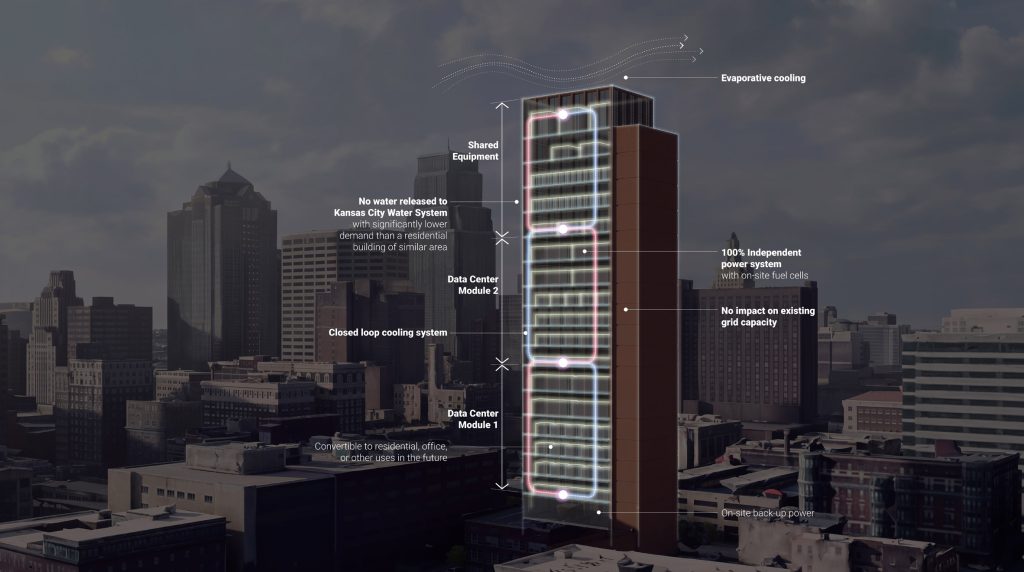
- The Vertical Closed Loop: Stacking data modules, cooling systems, and power generation vertically creates an integrated micro-ecosystem. Water is internally cycled to upper-floor evaporative cooling systems, while power is generated on-site, showcasing how technical systems can operate cohesively within a tight footprint.
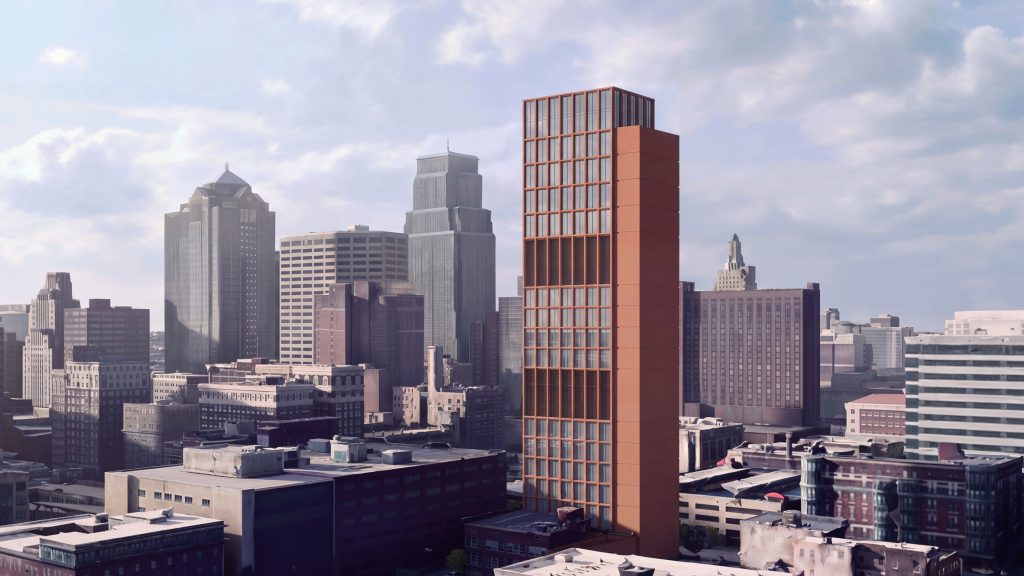
- Contextual Integration: Rather than building a windowless concrete bunker, SOM designed an earth-colored masonry façade with large glass panels, drawing inspiration from the vertical proportions and repetitive bays of surrounding historic commercial buildings.
- Side-Core Flexibility: By shifting the structural core to the exterior of the skyscraper, SOM maximized floor plate space. More importantly, generous floor-to-floor heights and a regular structural grid ensure the tower is future-proofed. If technological demands shift, the building can be converted into residential, office, or mixed-use space.
How Architecture is Globally Redefining Data Center Concepts
Globally, the rise of cloud computing and artificial intelligence has triggered a massive real estate expansion, often criticized for consuming vast stretches of farmland and overloading regional power grids. SOM’s project signals a global paradigm shift: treating data centers as urban civic architecture rather than isolated utilities.
By proving that high-density computing can be integrated directly into city centers, architecture is shifting data infrastructure away from sprawl and toward “edge computing”—placing processing power physically closer to the businesses, financial institutions, and populations that rely on it daily.
Why a Vertical Data Center Works Over Traditional Horizontal Models
While horizontal data centers are easier to build, they come with significant drawbacks, including massive land consumption and high signal latency due to distance from urban cores. A vertical tower concept succeeds because:
- Land Efficiency: Squeezing maximum computing capability into a 0.23-acre footprint makes high-value urban real estate viable for infrastructure.
- Resource Autonomy: The 934 Central Street design incorporates natural gas cells for power generation, rendering its electrical system reportedly 100 percent independent from the local power grid, directly tackling the energy-draw criticisms aimed at traditional facilities.
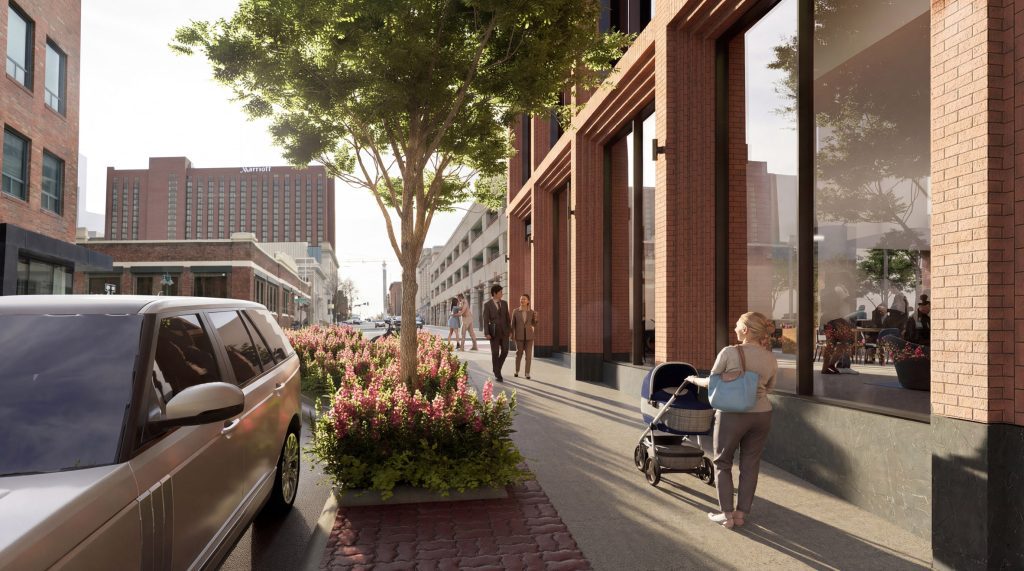
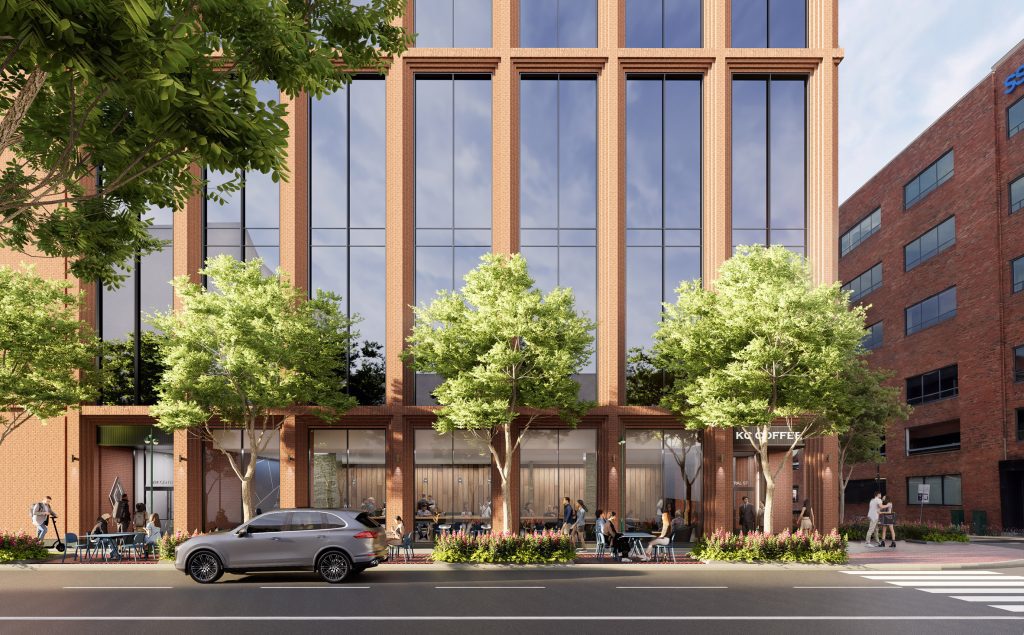
- Proximity Benefits: Placing data systems at the heart of the city reduces data transmission delays for surrounding networks while adding active street-level life through 4,700 square feet (436 square meters) of ground-floor retail.
Skyline Transformation and Economic Impact
Replacing a low-rise footprint with a 20-storey tower will permanently alter Kansas City’s downtown skyline, adding a modern yet contextually sensitive landmark. Beyond visual impact, the project promises notable economic ripples:
- Urban Revitalization: Developed by Miami-based Revitalization Unlimited, the tower injects substantial private capital into a compact downtown plot.
- Commercial Vitality: The inclusion of ground-floor retail shops ensures the streetscape remains pedestrian-friendly and economically active, avoiding the “dead zones” typical of security-heavy utility sites.
- Tech Hub Positioning: Hosting high-density, off-grid digital infrastructure enhances Kansas City’s position as an attractive market for tech-driven industries and enterprise networks.
Historical Loss vs. Future Vision: The Western Newspaper Union Building
The site chosen for 934 Central Street is currently occupied by the historic Western Newspaper Union Building. The contrast between the two structures highlights an urban transition: moving from 20th-century physical print publishing to 21st-century digital data processing. While the new tower symbolizes technological progress, the erasure of the historic building represents a tangible loss of local industrial heritage, raising questions about how cities balance preservation with modern development.
Community Pushback and Urban Concerns
Despite the project’s technical innovation, it has ignited controversy among local residents and civic groups:
- Preservation Opposition: Local pushback centers on the demolition of the Western Newspaper Union Building, with critics questioning the necessity of sacrificing historic fabric for speculative development.
- Environmental & Heat Island Concerns: Residents have voiced fears regarding the urban heat island effect, an issue often exacerbated by energy-intensive data operations and exhaust systems, despite the building’s closed-loop cooling plans.
- Speculative Risk: Critics remain cautious about the long-term viability of high-density urban data centers, questioning what happens to the neighborhood if the project falls short of its operational or economic promises.
Conclusion
As the City Planning Commission reviews the proposal, SOM’s 934 Central Street stands as a pivotal case study in modern architecture. Whether viewed as an ingenious solution to urban tech needs or an uneasy neighbor in a historic district, the project proves that data centers are no longer just hidden background utilities, they are active players shaping the future of our city skylines.
(Story source: Dezeen)
Editorial Note: At Buildace Magazine, we publish this feature in good faith, with full attribution to Dezeen as the primary source for the original project coverage. We celebrate the design prowess and unmatched creativity of SOM Architects as they continue to shape the future of global architecture.
Alex Kabiru
Architecture Editor, Buildace Magazine