Images by Cai Yunpu
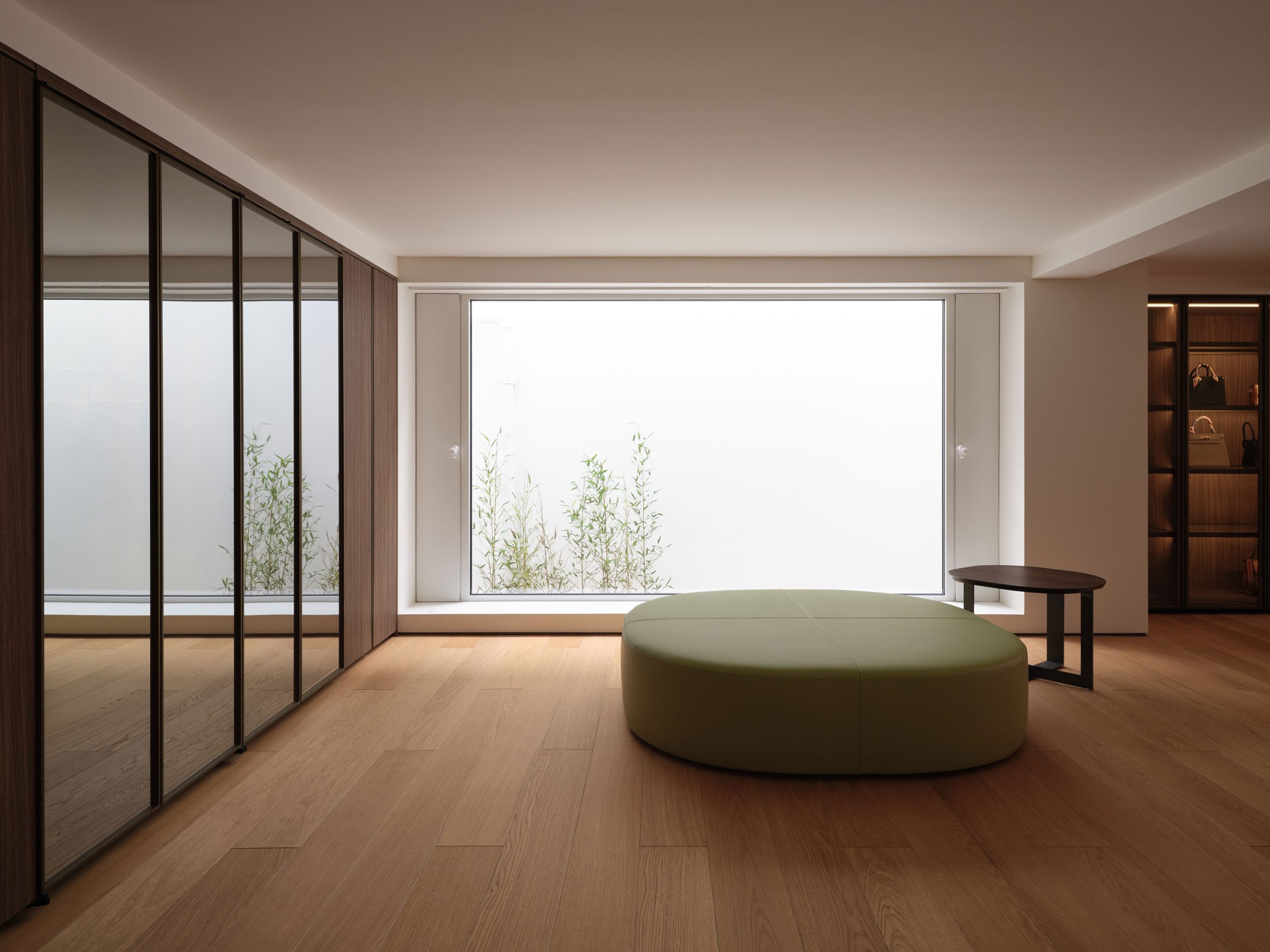
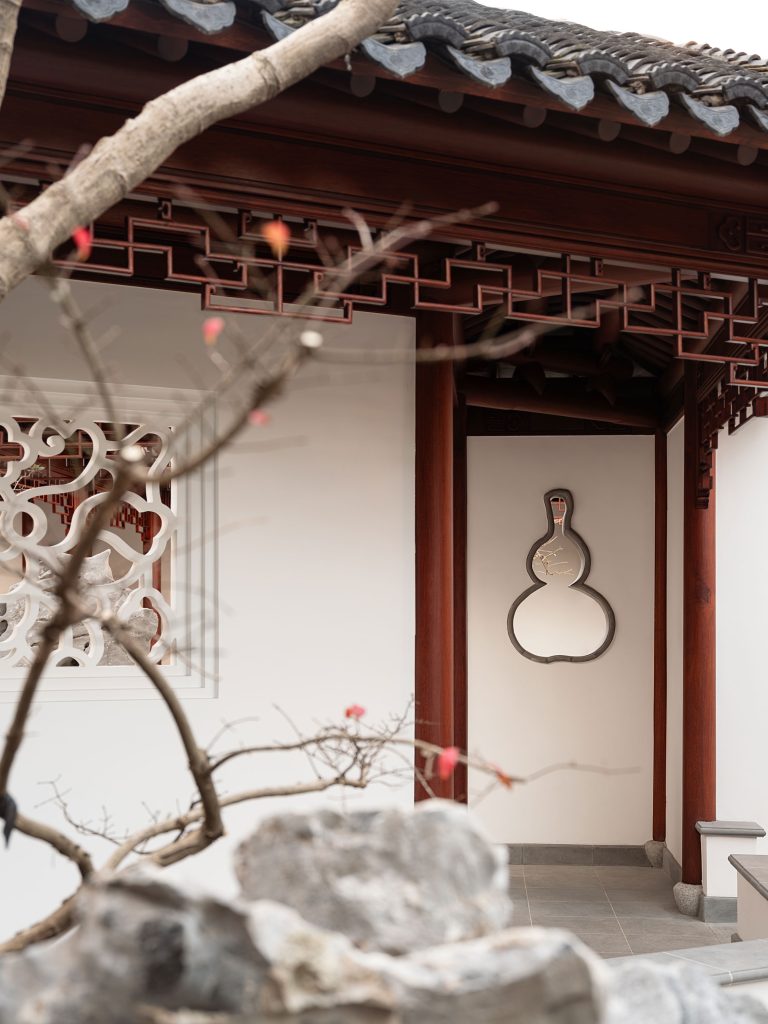
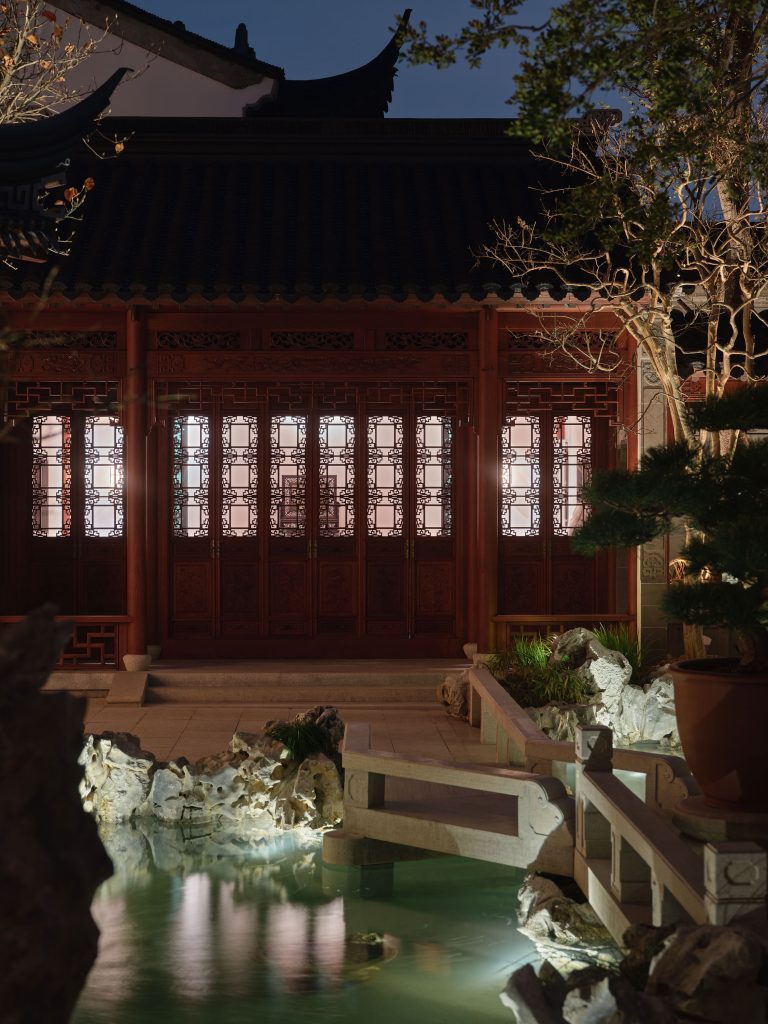
Designed by Z+H Renhai Design, Pimenli Private Residence is a concept of an immersive and tangible experience. Within a 700㎡ courtyard and 1,000㎡ interior, creative designer Zhang Haihua of Z+H Renhai Design inventively created a refined living environment for a three-generation family where Jiangnan’s poetic landscape and contemporary minimalism quietly merge.
Spatial Hierarchy and the Architecture of Light
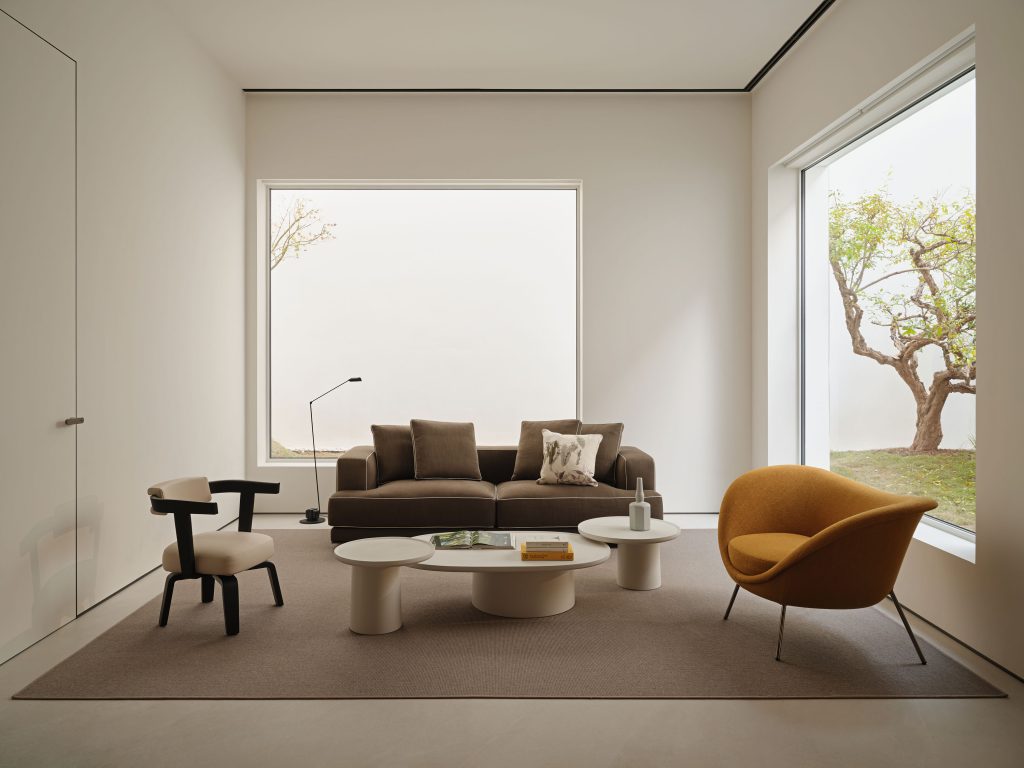
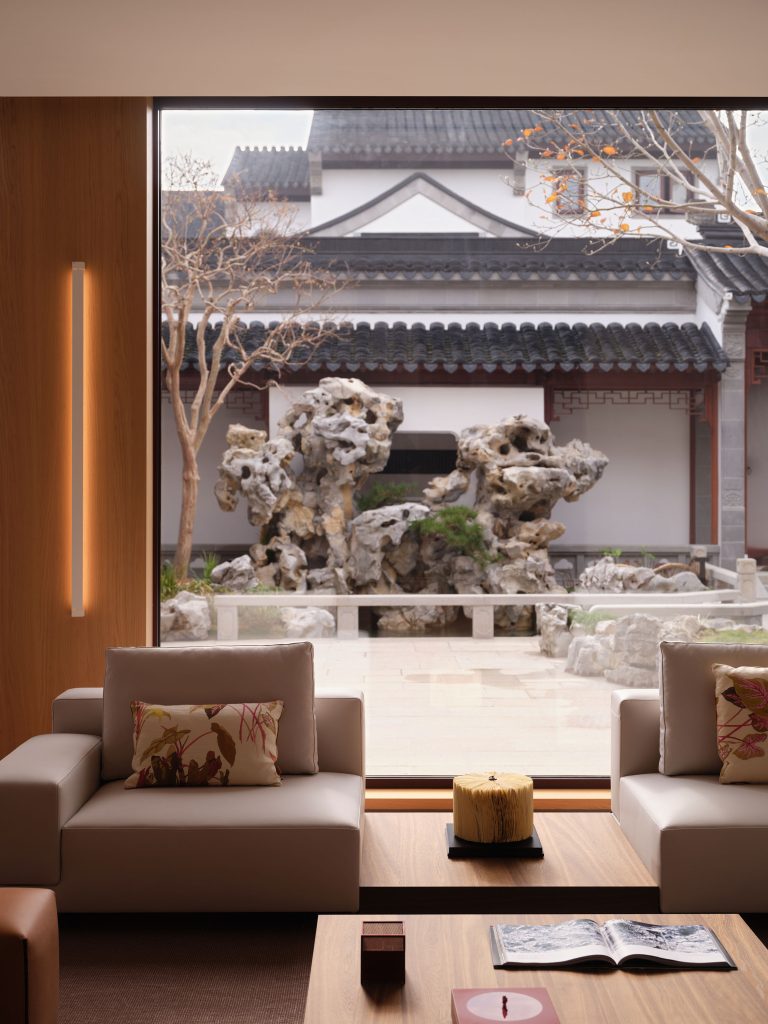
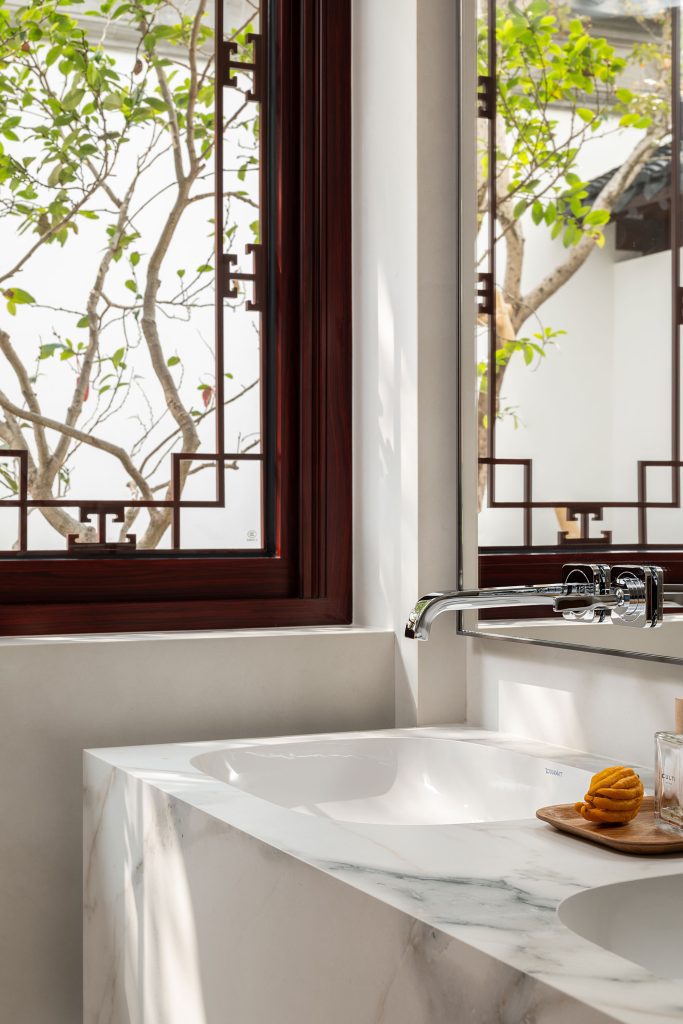
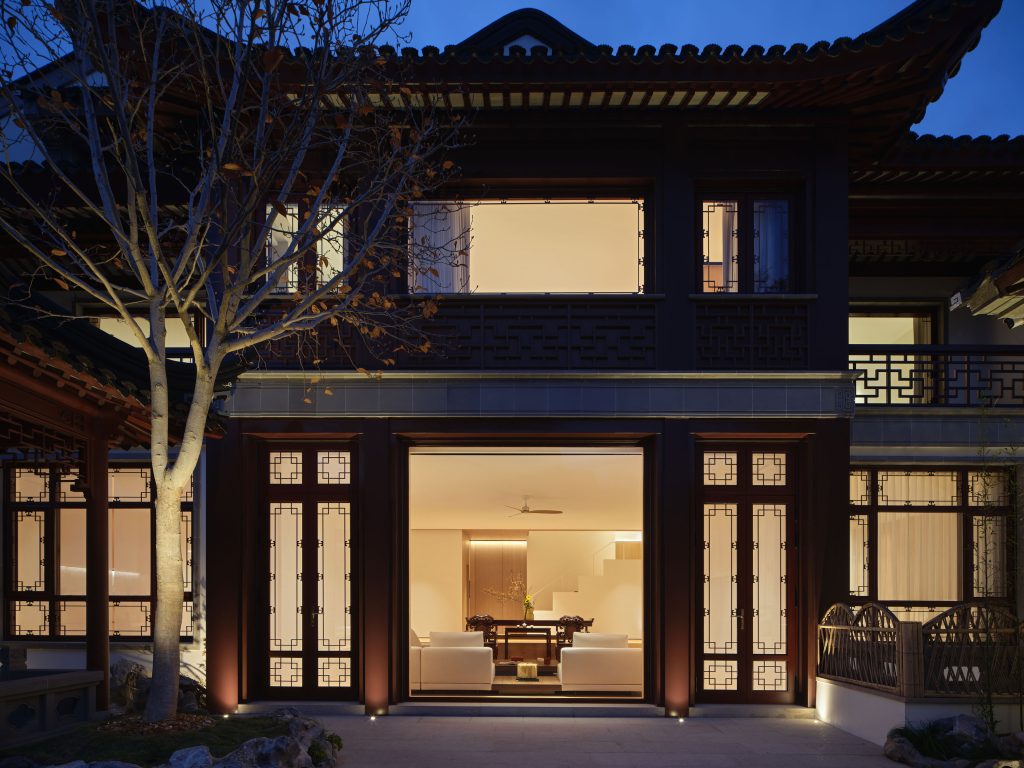
Situated within Suzhou’s historic Taohuawu district, the Pingmenli Private Residence is a profound exploration of spatial liminality specifically, how to encapsulate the sprawling philosophy of a traditional Suzhou garden within a controlled contemporary domestic envelope. The threshold of the residence rejects abrupt containment. Instead, a series of semi-translucent, sheer textile partitions function as interior architectural membranes, mimicking the diffuse, light-scattering qualities of classical xuan paper. The building envelope utilizes high-performance, minimalist glazing that acts as a calibrated aperture.
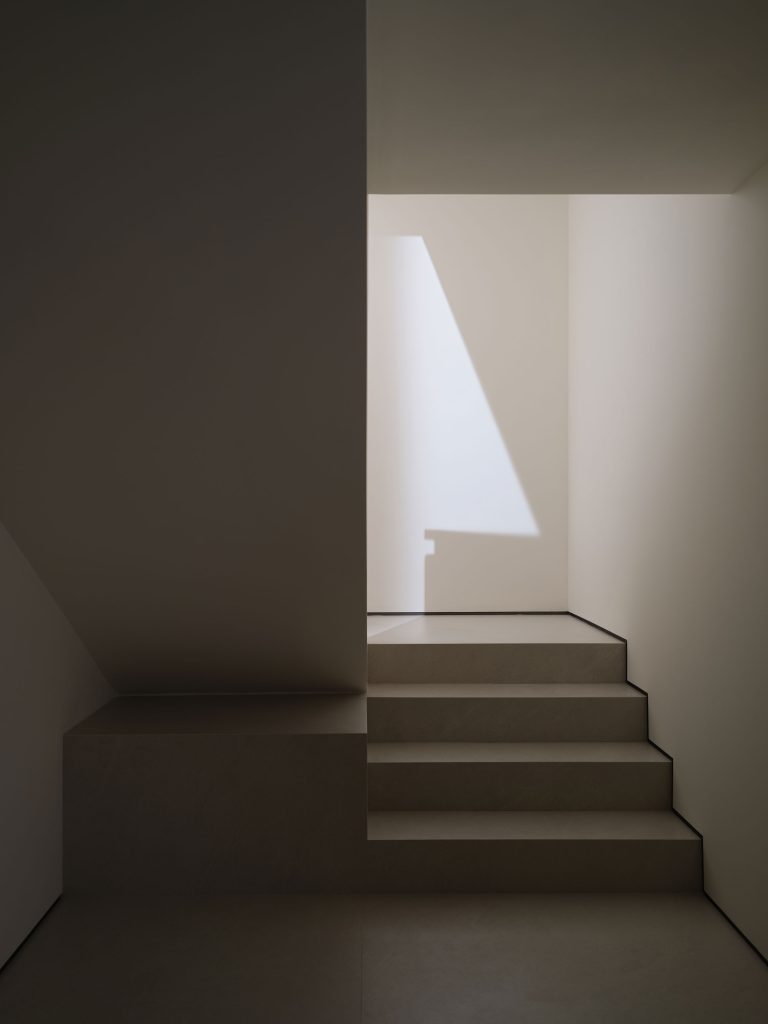
The Diurnal Inversion: By day, these apertures frame the exterior landscape, converting the changing angles of the sun, slanted eaves, and foliage into a dynamic, two-dimensional ink-wash painting projected onto the interior walls. By night, this relationship reverses: the illuminated, highly rational interior acts as an unmoored, minimalist Italian gallery suspended within an organic Chinese landscape.
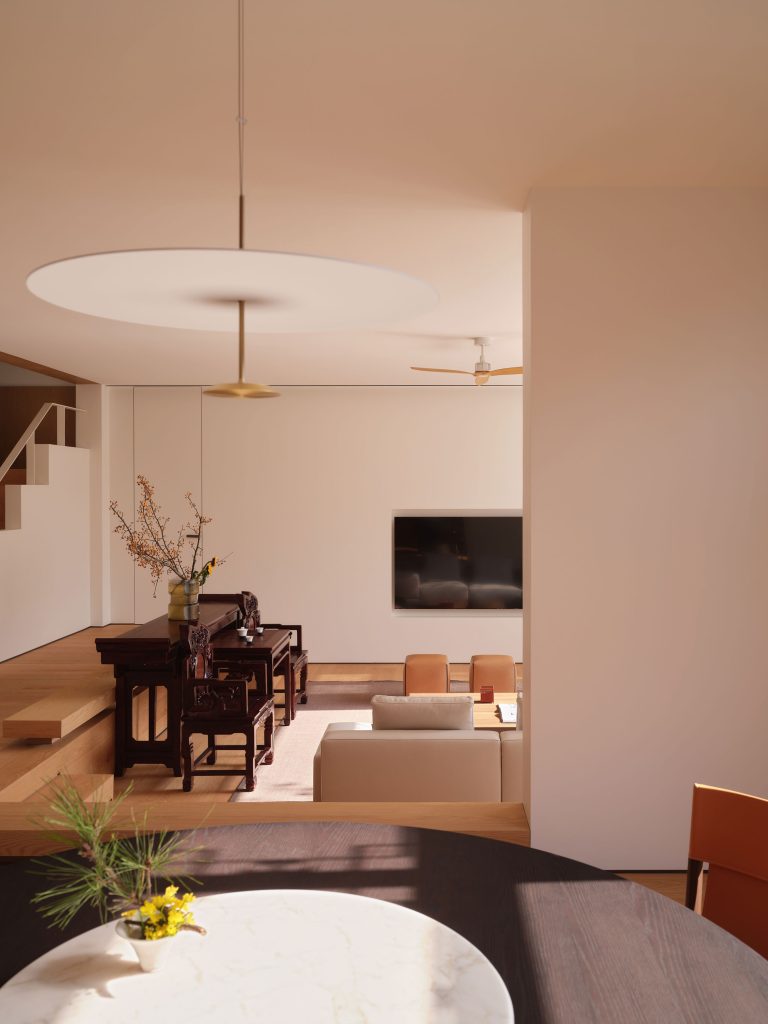
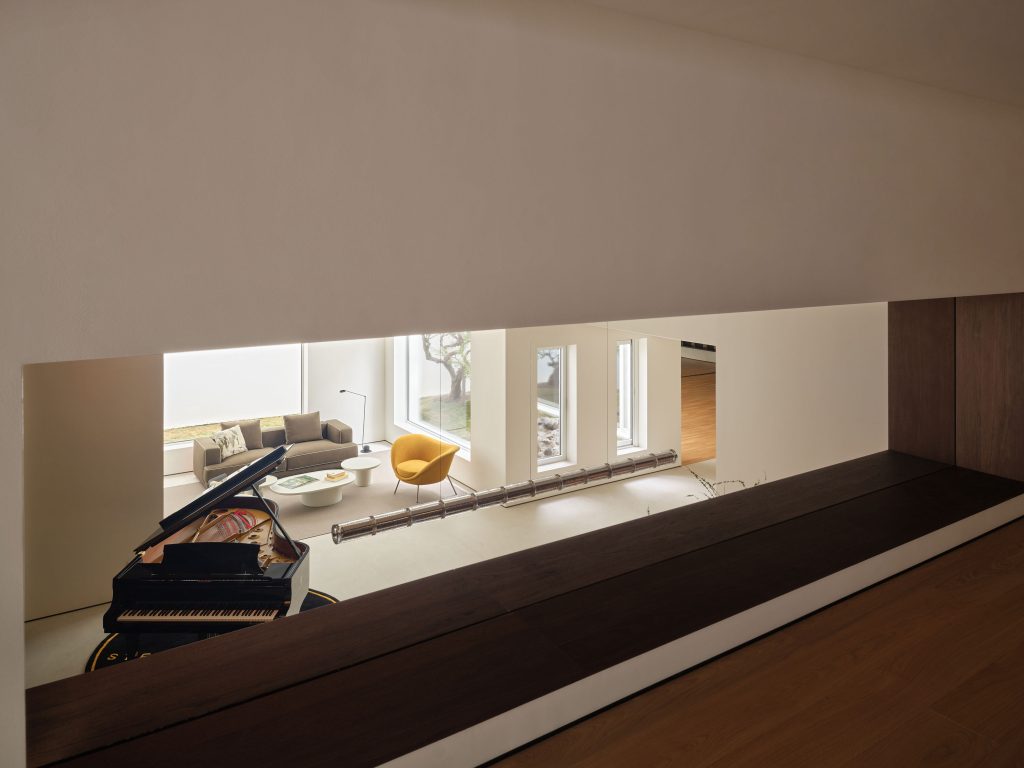
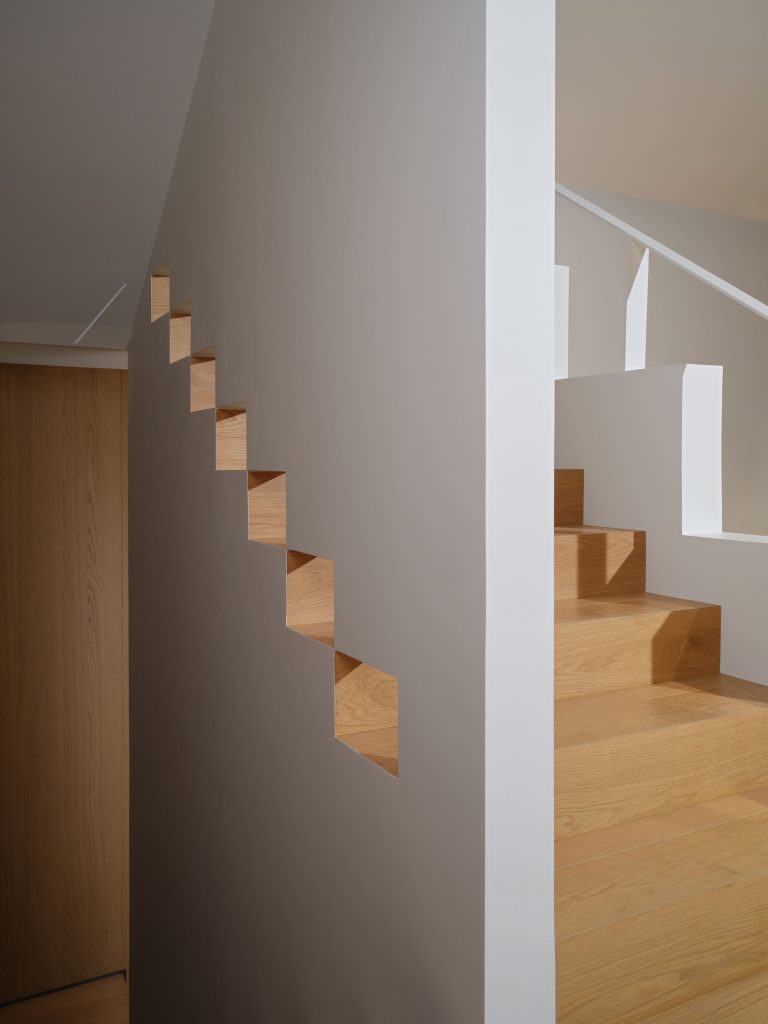
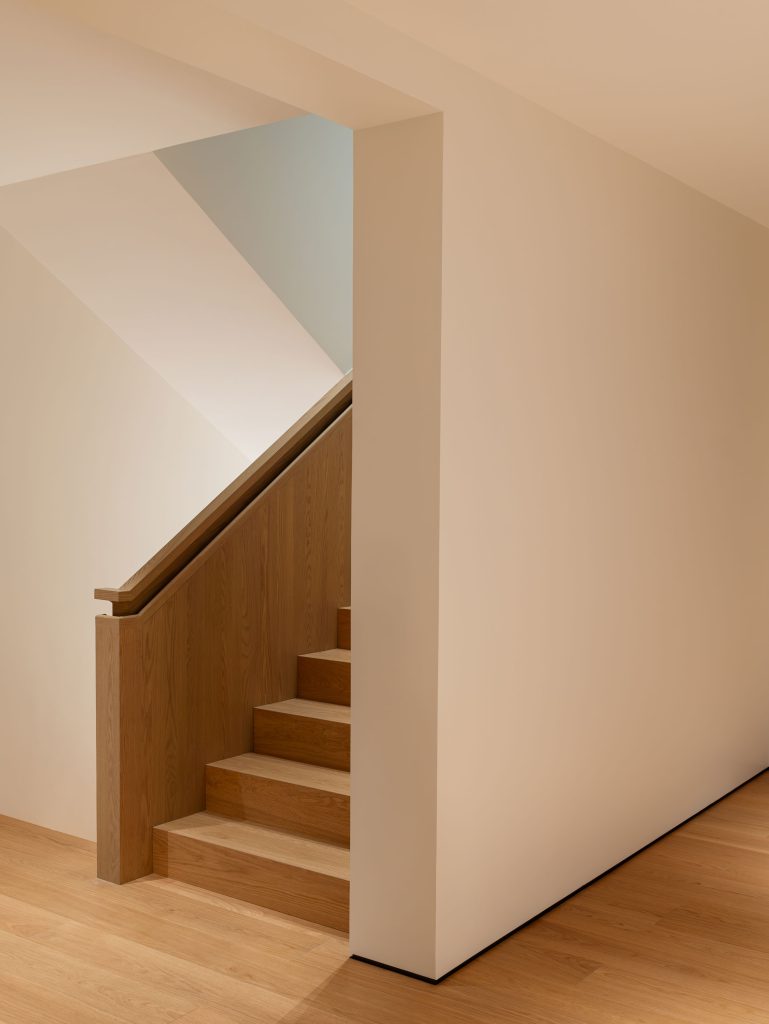
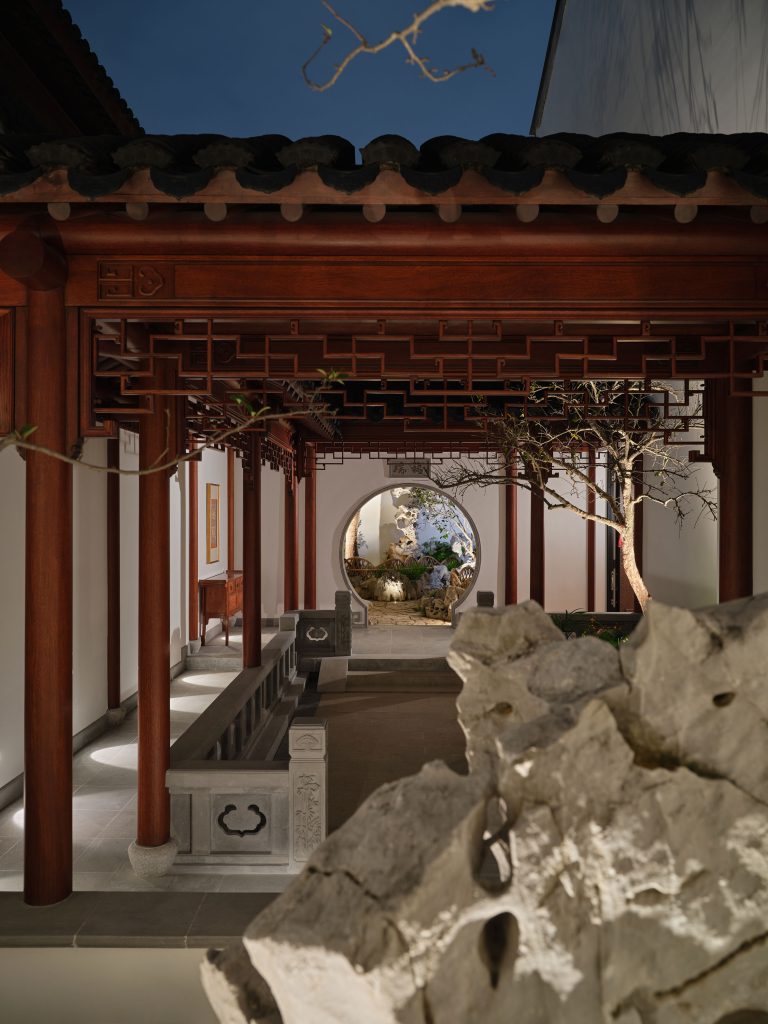
Axial Alignment: Programmatic circulation is governed by a rigorous, concealed sightline. This architectural axis establishes a clear spatial sequence, drawing a continuous trajectory through the courtyard’s raw rockery, across engraved stone floor plaques, through the structural colonnade of the primary living volume, and anchoring at the vertical circulation core of the main staircase. This layout updates the traditional, Confucian axial order of historical Jiangnan mansions for the modern era.
[Courtyard: Taihu Rockery] ──► [Aperture: Glazed Envelope] ──► [Interior Colonnade] ──► [Vertical Circulation]
(Organic Void) (Liminal Border) (Rational Solid) (Axial Anchor)
Volumetric Restraint: The Dialectic of Void and Solid
Rooted in “Eastern Minimalist Humanism,” the interior architecture adopts a volumetric strategy of intentional vacancy (liubai) to counter the density of multi-generational living.
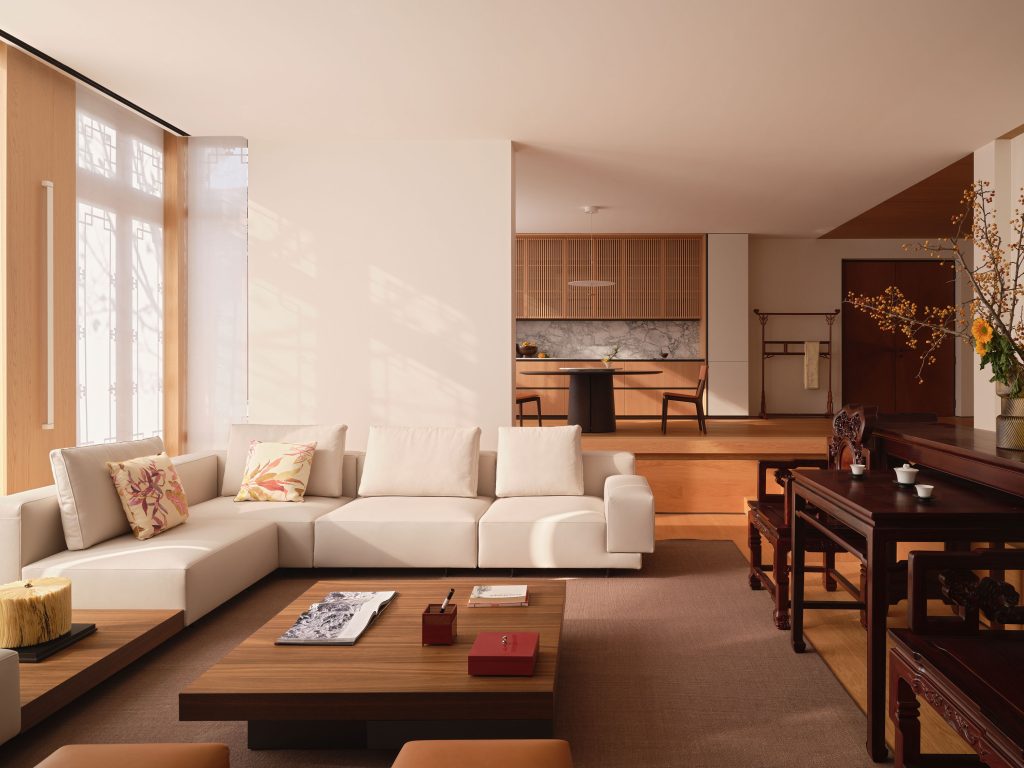
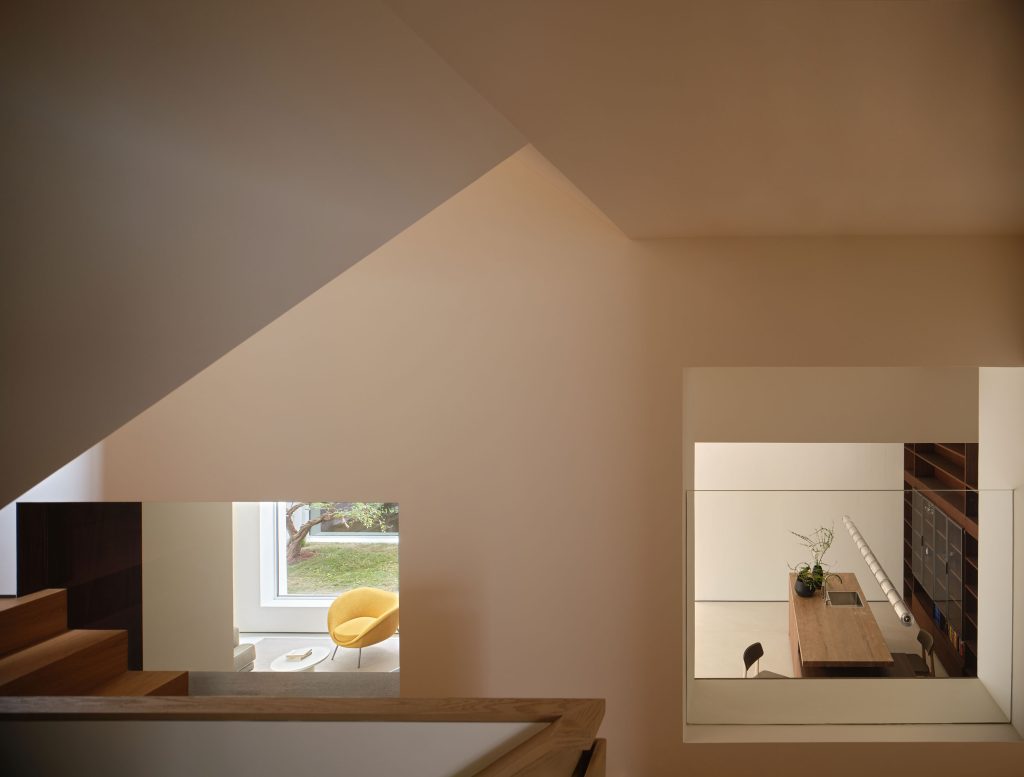
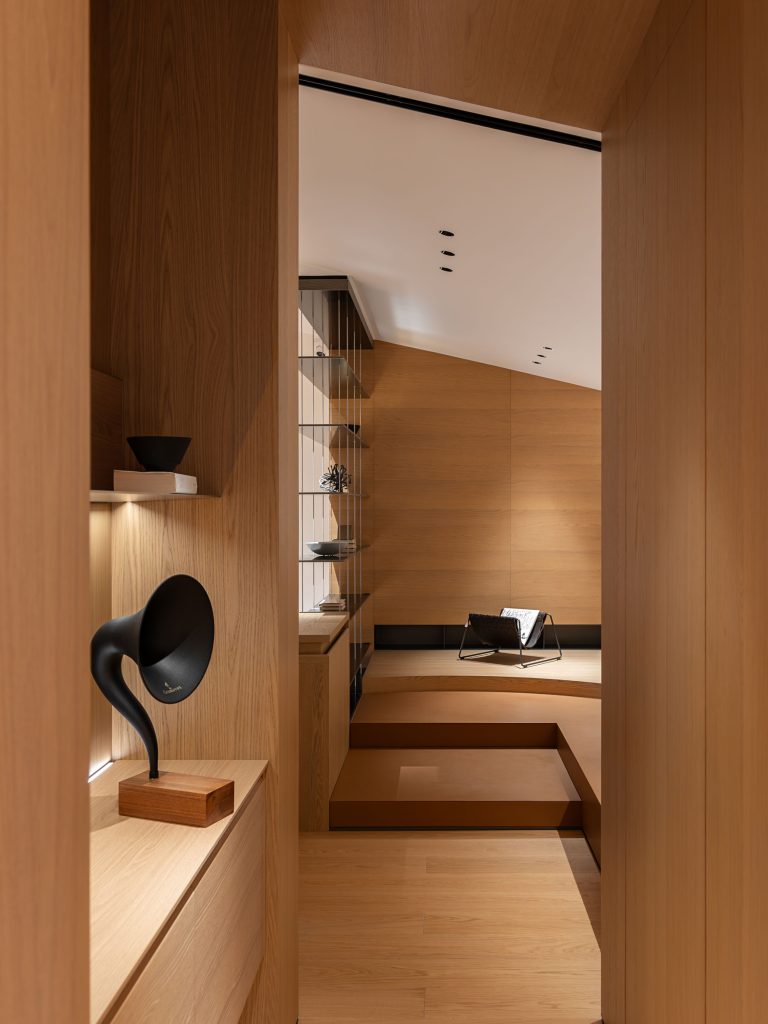
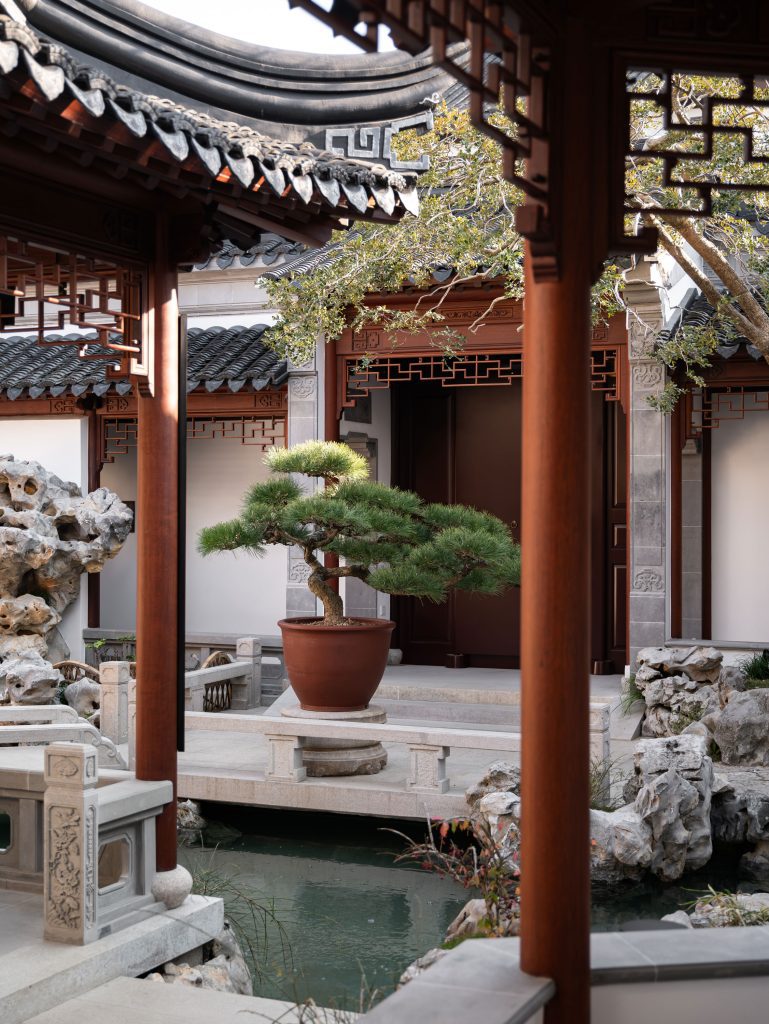
Programmatic Separation: The public zones—the sunken living room, the formal dining room, and the subterranean library—are stripped of non-structural ornamentation. By depressing the floor plate of the primary living zone, the designer lowers the user’s eye level, deliberately prioritizing views out toward the raw textures of Taihu stones and bamboo.
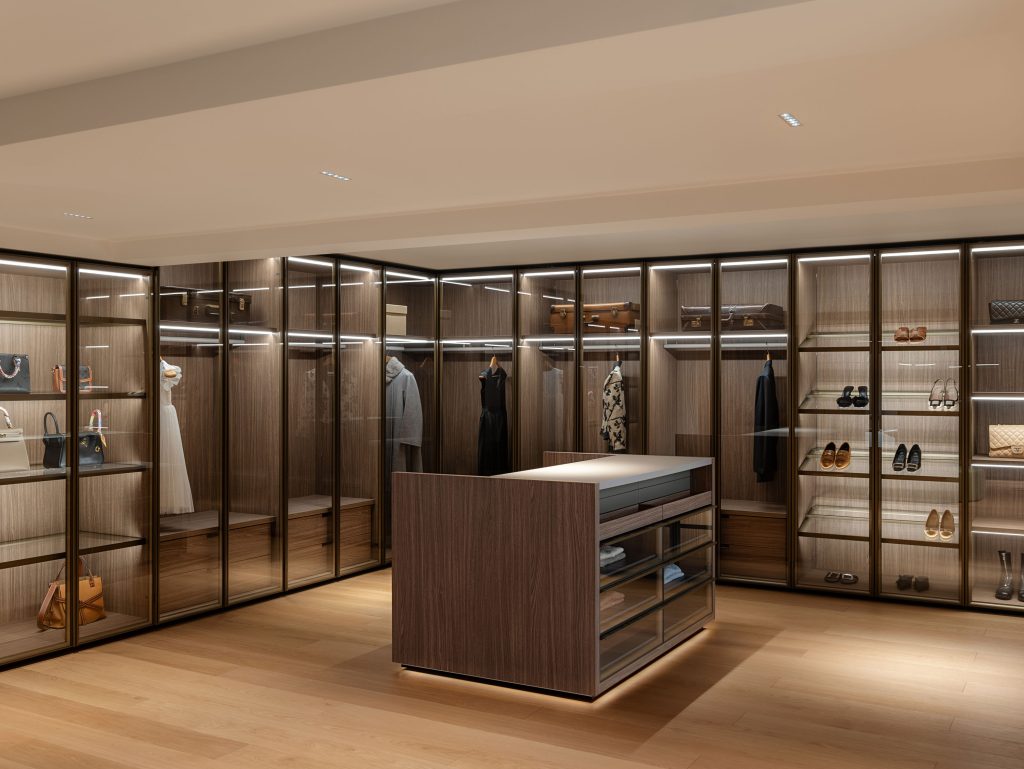
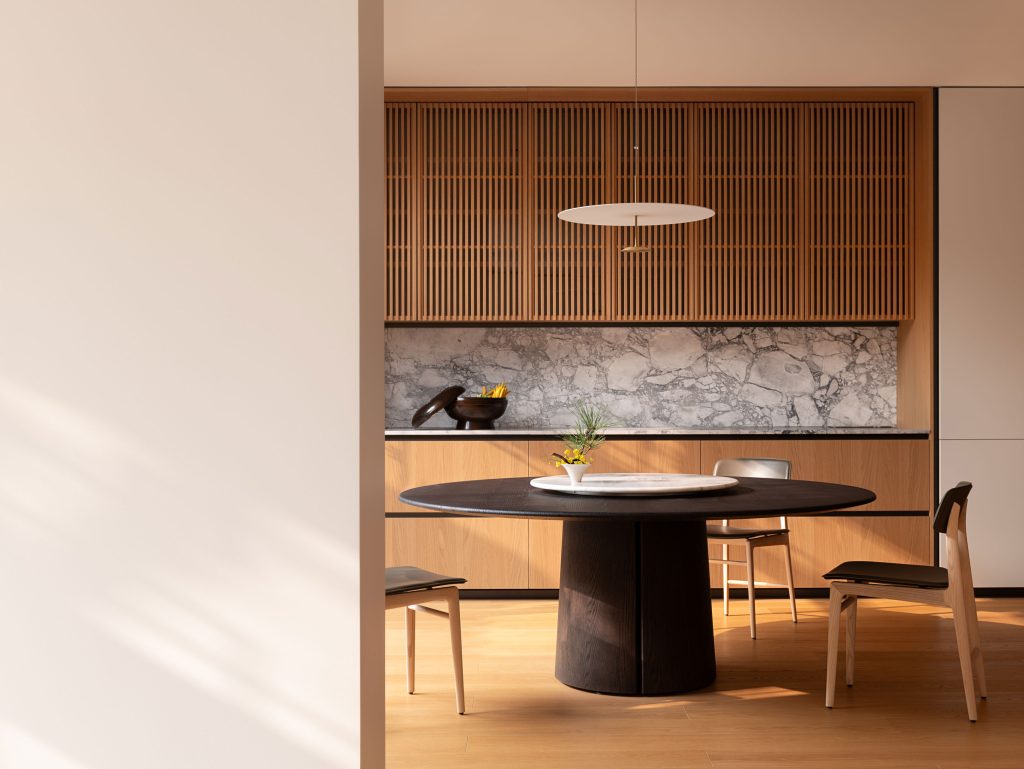
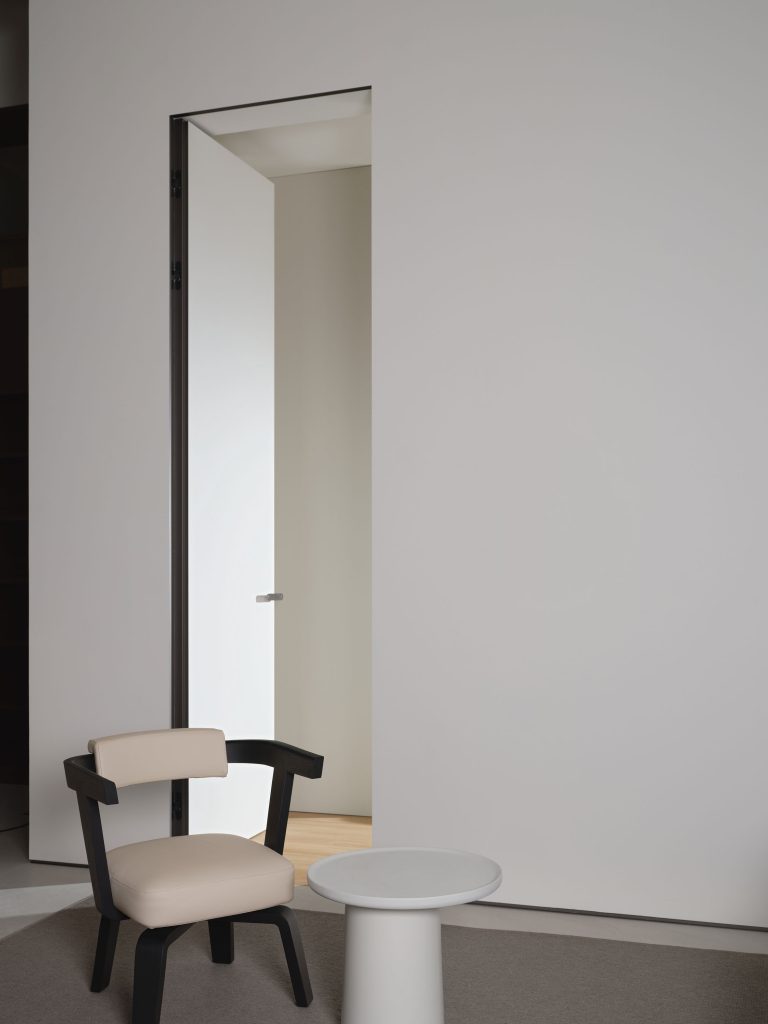
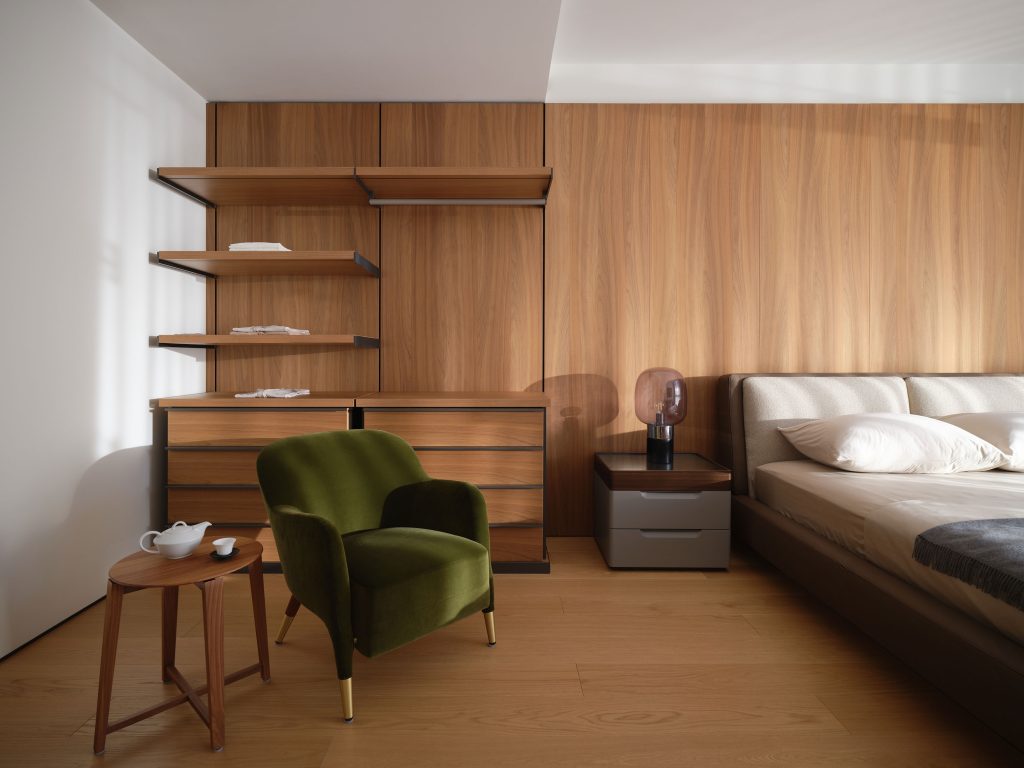
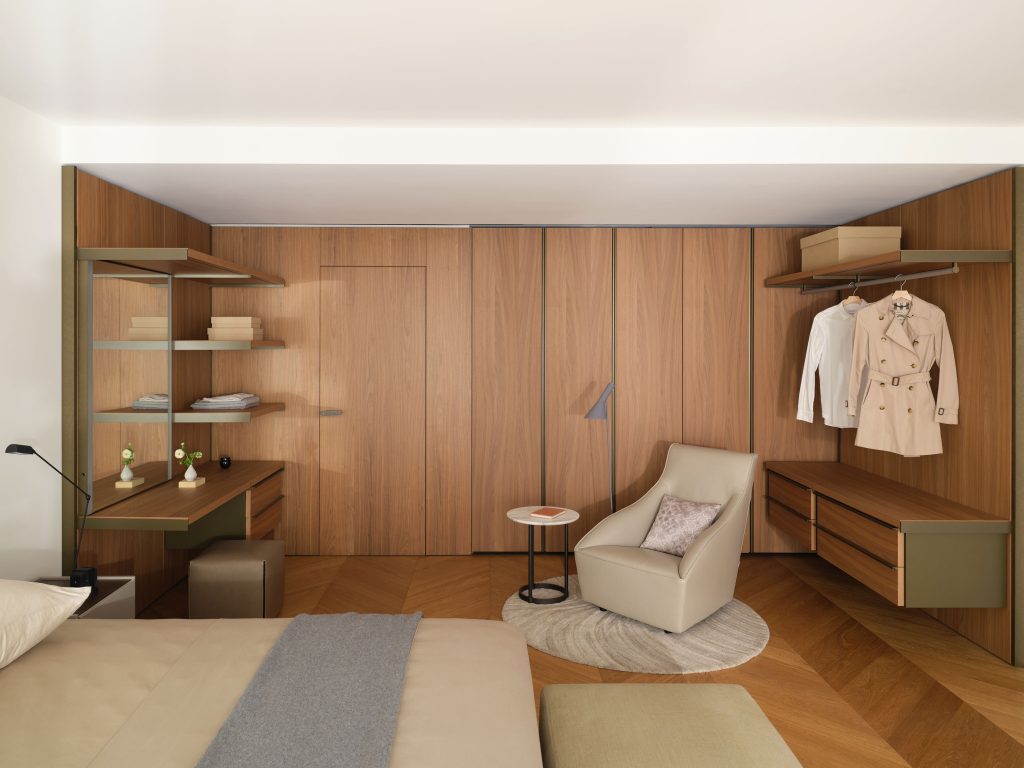
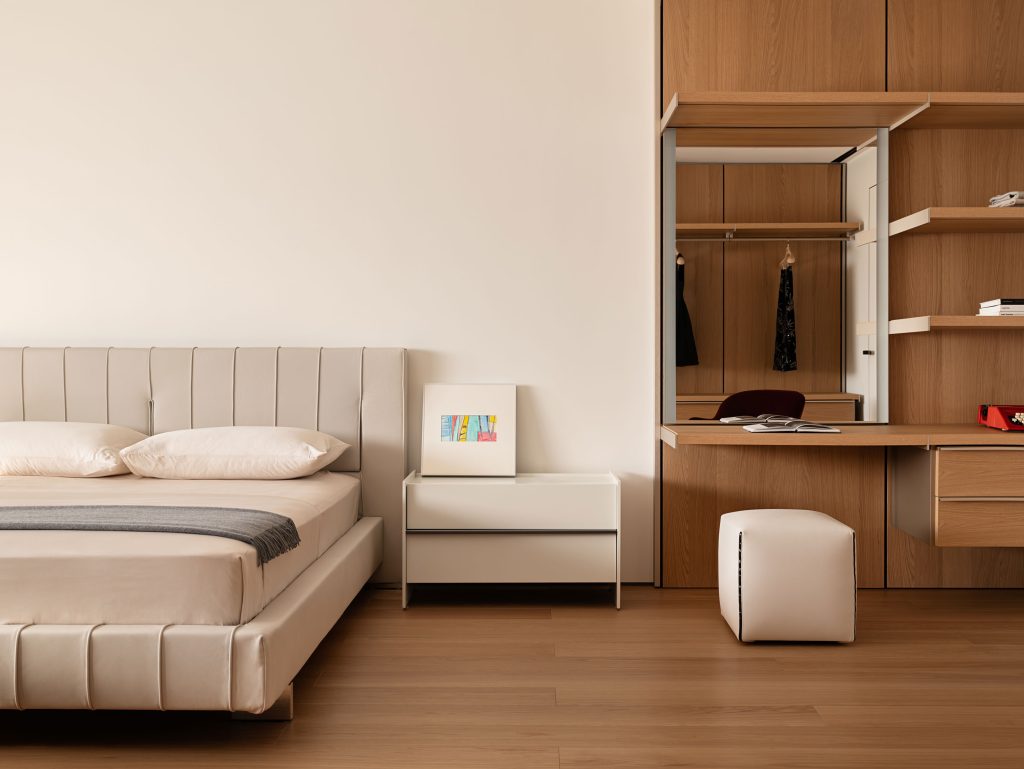
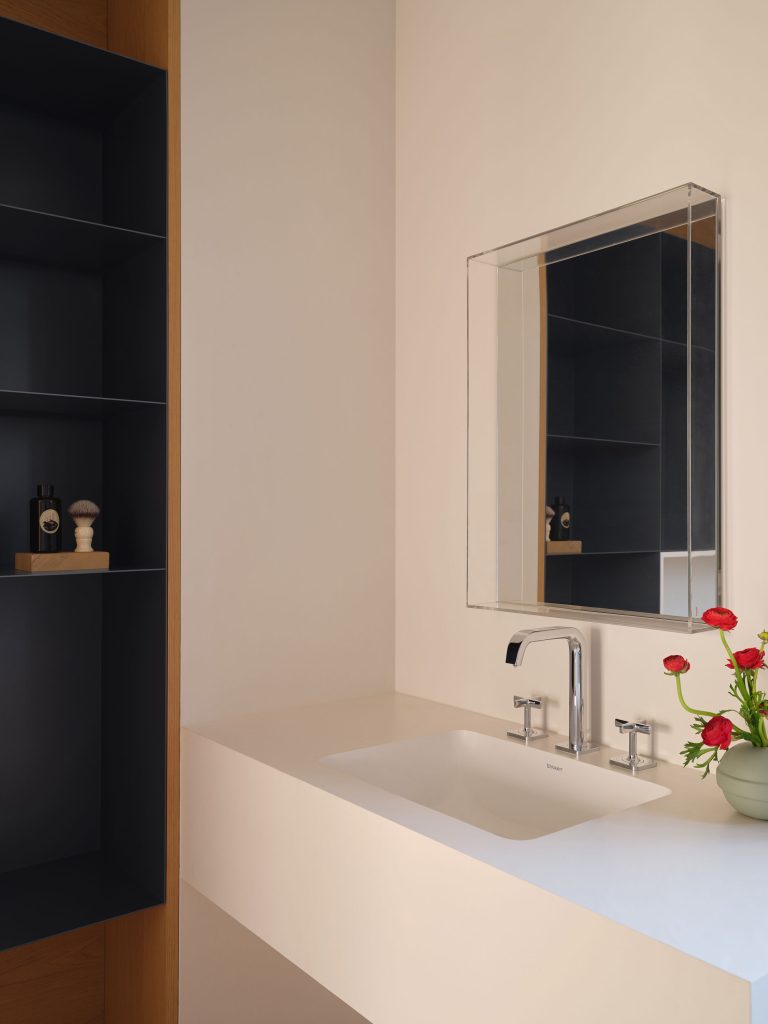
The Mechanics of Zero-Clutter: To maintain the spatial purity of these common areas, utility is absorbed by hidden structural masses. High-capacity, flush-integrated storage volumes are built directly into the architectural partitions. This strict division between “void space” (allocated for circulation, familial ritual, and light) and “solid space” (allocated for utility and storage) allows the architecture to breathe, balancing daily human activity with artistic stillness.
Tectonic Craftsmanship: Materiality Across Cultures
The residence achieves its luxury through tectonic precision rather than applied decoration, staging a deliberate material dialogue between regional Chinese craftsmanship and European industrial execution.
| Architectural Element | Craftsmanship Typology | Materiality and Tectonic Expression |
| The Landscape (Courtyard) | Vernacular Artisanship (Master Yuan) | Organic Topography: Composed by analyzing the inherent geological bedding planes and grain orientations of individual stones. Form follows geology rather than an arbitrary geometric plan. |
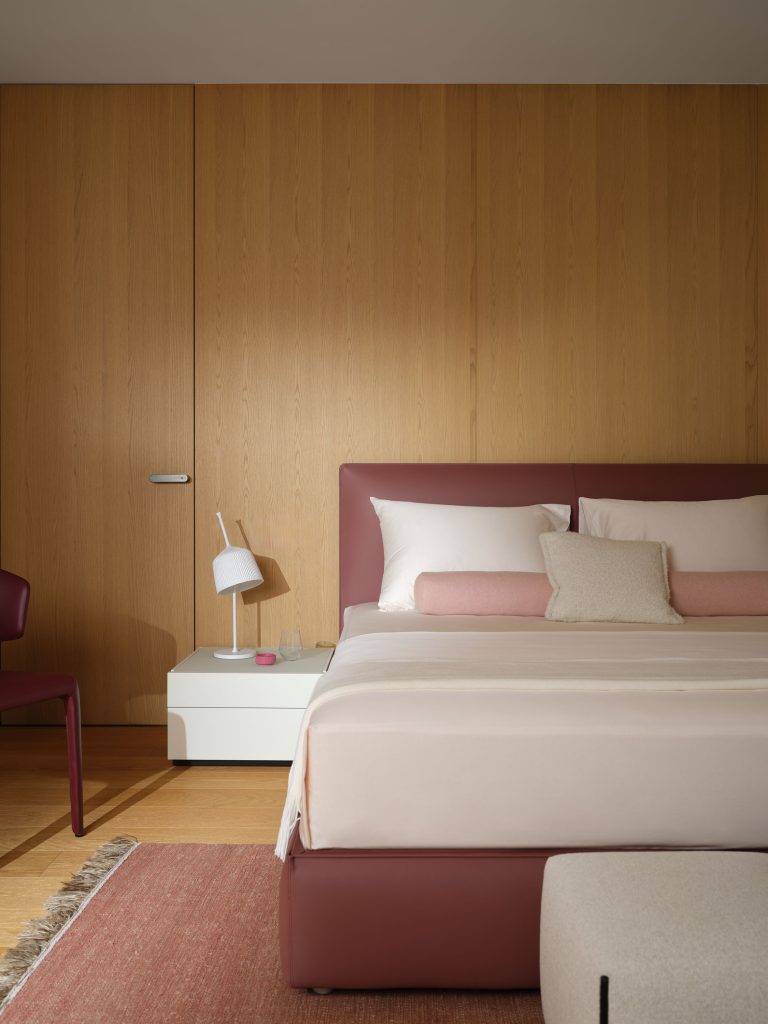
| The Interior Systems | Industrial Minimalism (Italian Artisans) | Millimeter-Precision Millwork: Bespoke Molteni and C cabinetry and wardrobe systems are flush-mounted to the structural walls with zero-tolerance joints, transforming storage into an architectural plane. |
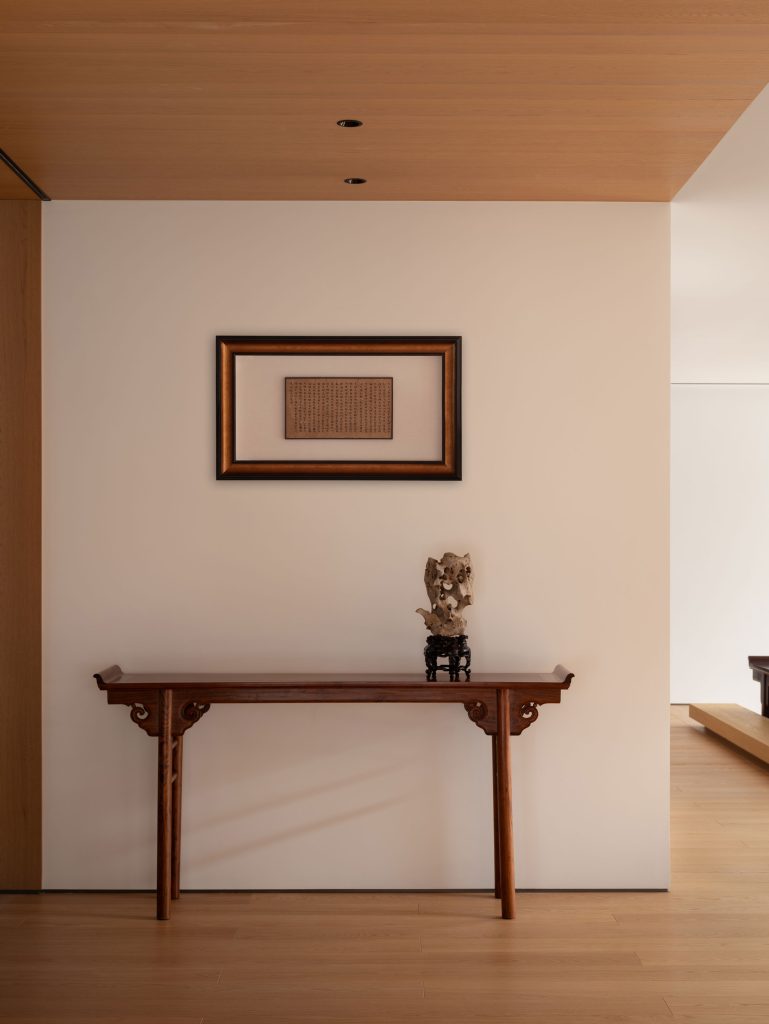
| The Furniture Curation | Intergenerational Dialogue | Material Counterpoint: The juxtaposition of hand-carved Ming-style consoles and Song Dynasty ceramics with hand-polished European bronze hardware and sleek, minimalist Italian furniture. |
The Poetics of Rationality
Ultimately, Pingmenli proves that highly rational architectural decisions can yield profound poetic outcomes. The luxury of the residence is experienced through tactile and sensory micro-moments: the controlled resistance of a flush-mounted drawer gliding open, the temperature shift of light passing through silk, and the sudden, framed view of an ancient courtyard tree through an interior puncture.
By filtering historical Chinese landscape philosophy through the reductive spatial language of international minimalism, the design establishes a new paradigm for contemporary luxury residential architecture.

Zhang Haihua of Z+H Interior Design
Zhang Haihua
Zhang Haihua of Z+H Interior Design has over 20 years of experience designing and planning high-end hotels, private residences, and art spaces. He has learned from Western design and culture, while also studying in-depth the essence of Chinese classical architecture and aesthetics, exploring the poetic transformation and expression of Chinese traditional culture in contemporary spaces.
Awards
Received the title of “TOP100 Most Influential Architects” by “AD Architectural Digest”
Recipient of the British FX Interior Design Award
Recipient of the Swiss BLT Architecture Design Award
Recipient of the German iF Design Award, among others.
Project Info:
Project Name: Pingmenli Private Residence
Location: Suzhou, China
Completion Year: 2024
Floor Area: 1,000㎡
Landscape area: 700㎡
Design Firm: Z+H Renhai Design
Design Director: Zhang Haihua
Design Team: Wang Xiao, Sun Huihui
Decoration Consultant: uliving
Photography: Cai Yunpu