Images by Boris Shiu
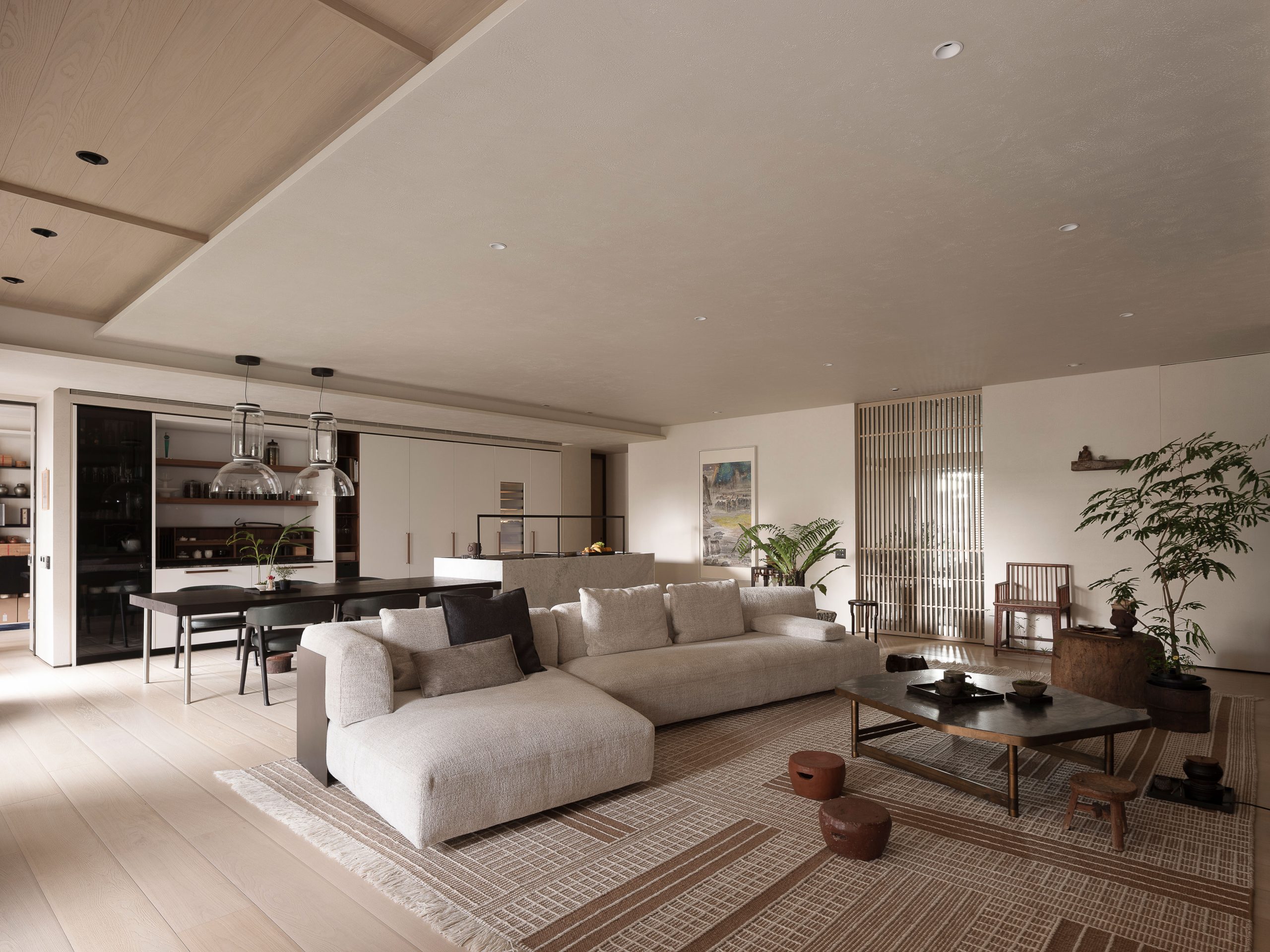
Nestled within the historic, tree-lined lanes of Taipei’s Da’an District, Qingtian Street has long been celebrated as a cultural enclave for artists and scholars. It is against this storied backdrop that Taiwan-born, Shanghai-based architect Chih-Da Jason Lin has unveiled his latest masterwork: a 350-square-meter urban sanctuary designed for his parents.
By seamlessly combining two adjacent apartments into a cohesive, three-bedroom single residence, Lin has created a masterclass in modern Asian interior design. The home effortlessly balances the quietude of solitary living with the spatial fluidly required for family gatherings.
Spatial Strategy: The Architecture of “Coexistence without Disturbance”
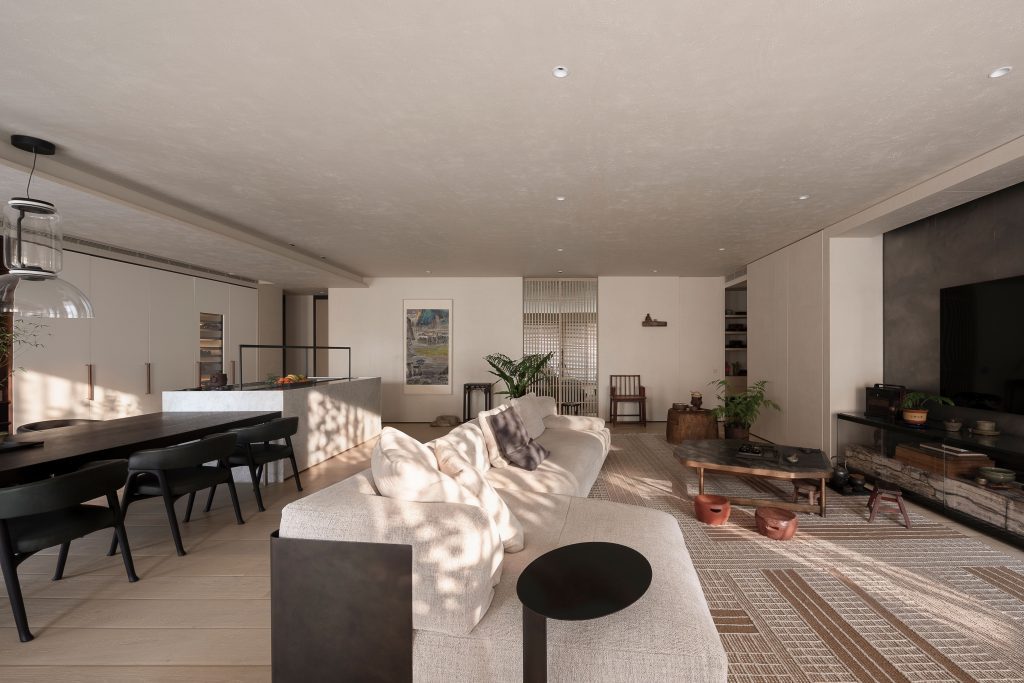
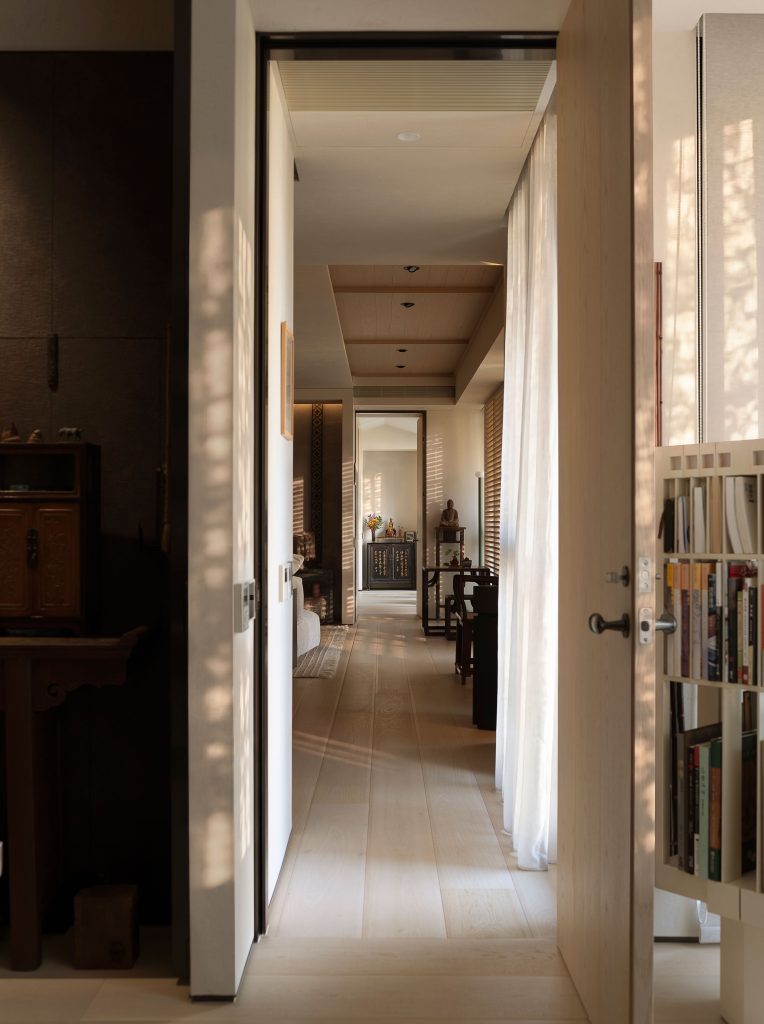
The structural triumph of the residence lies in its radical layout reconfiguration. Lin stripped away conventional partitions to establish a continuous, open-plan environment where natural light flows unimpeded. To balance shared family life with personal privacy, Lin utilized a layout inspired by planetary orbits:
- The Core: A vast, central living zone designed to anchor communal interactions and shared experiences.
- The Perimeter: Private bedrooms distributed along the outer edges of the floor plan.
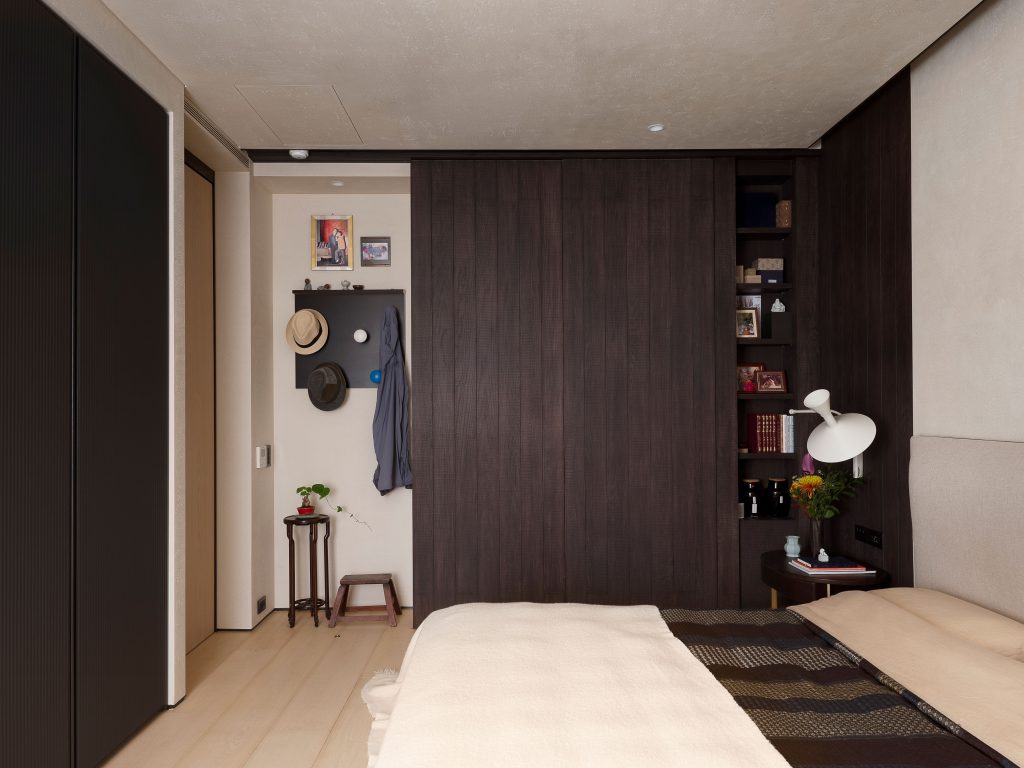
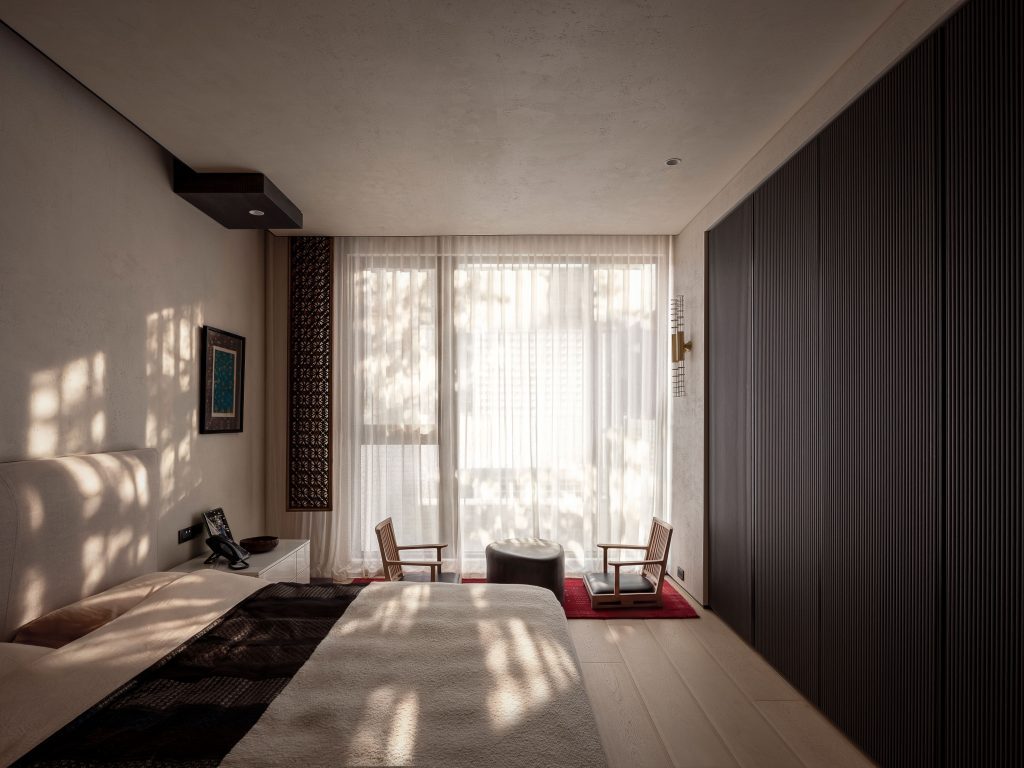
- Magical Boundaries: Discreet entry thresholds and integrated, hidden door systems that allow family members to retreat into total isolation without disrupting the household’s broader rhythm.
“While many pursue elaborate ornamentation for visual appeal, I focus on the underlying logic of space and the authentic nature of living, ultimately allowing the space to return to a state of calm and order.” — Chih-Da Jason Lin
Tailored to Rituals: Tea Rooms and Dual Kitchens
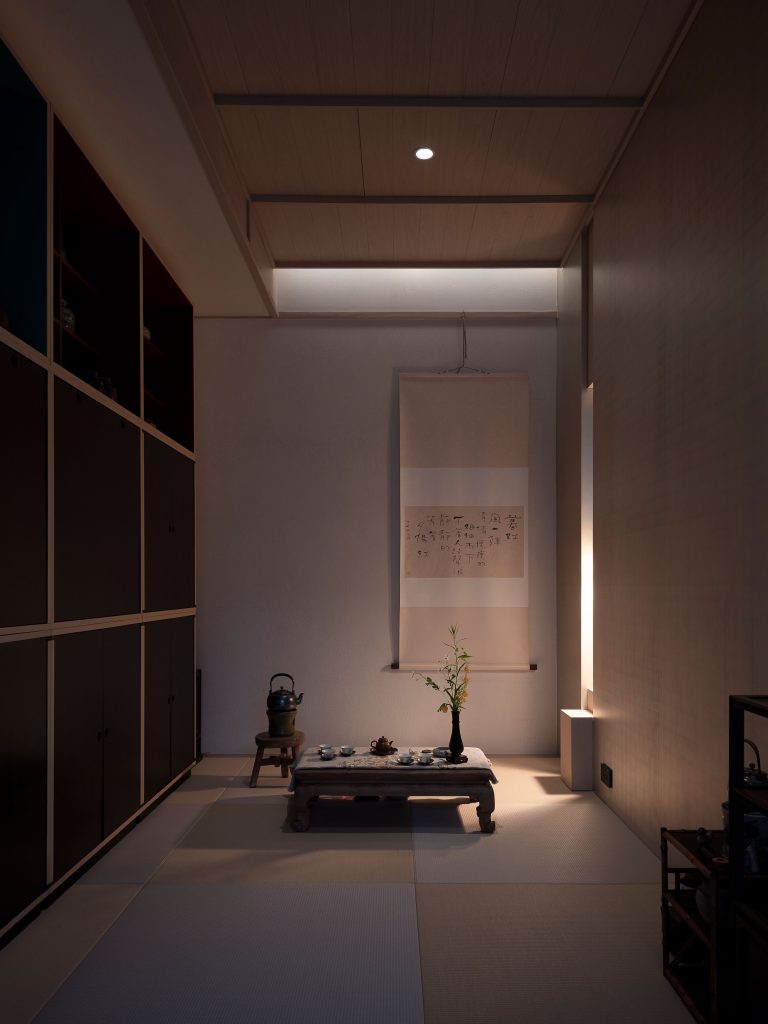
The spatial layout adapts precisely to the daily rituals of Lin’s parents. The home features two distinct tea-tasting environments:
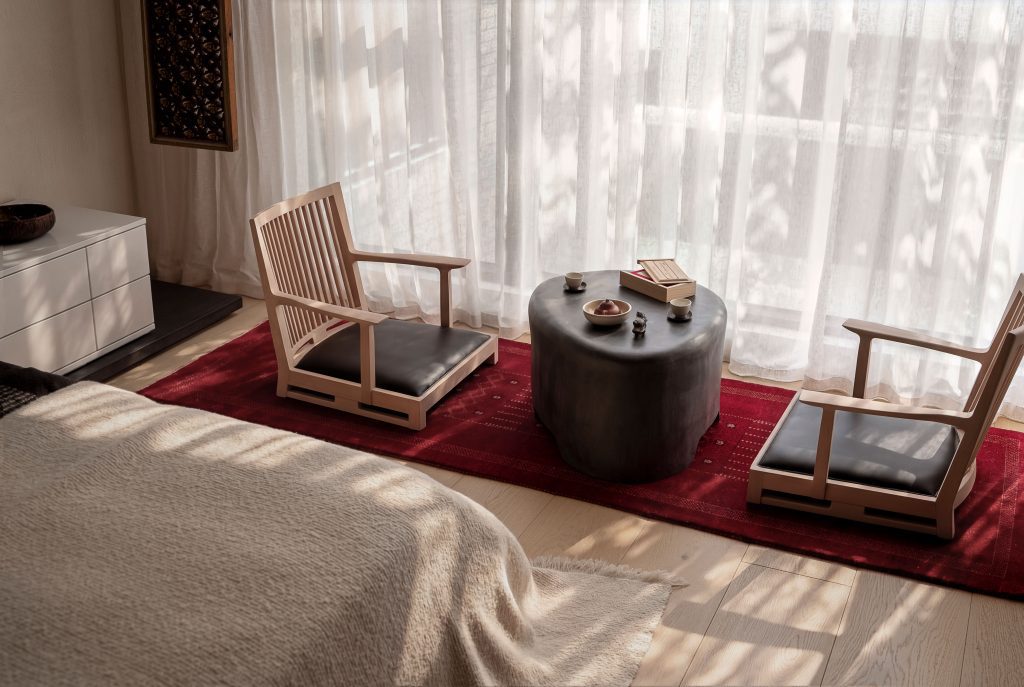
- The Minimalist Sanctuary: A serene, low-profile space dedicated to traditional, floor-seated tea ceremonies.
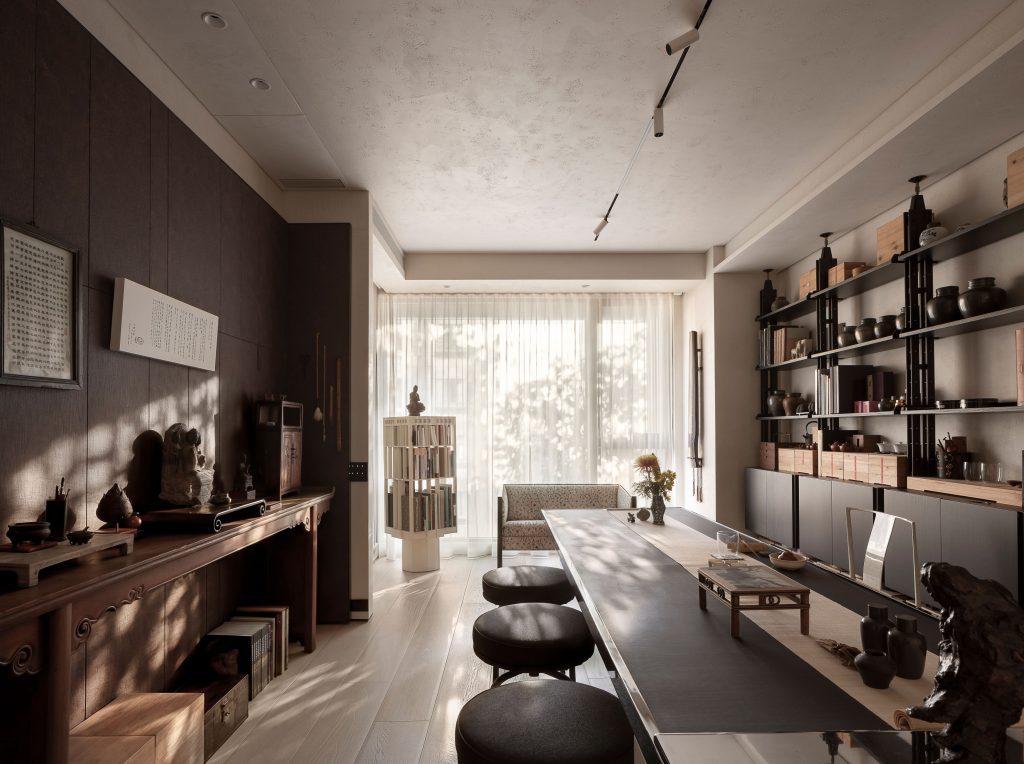
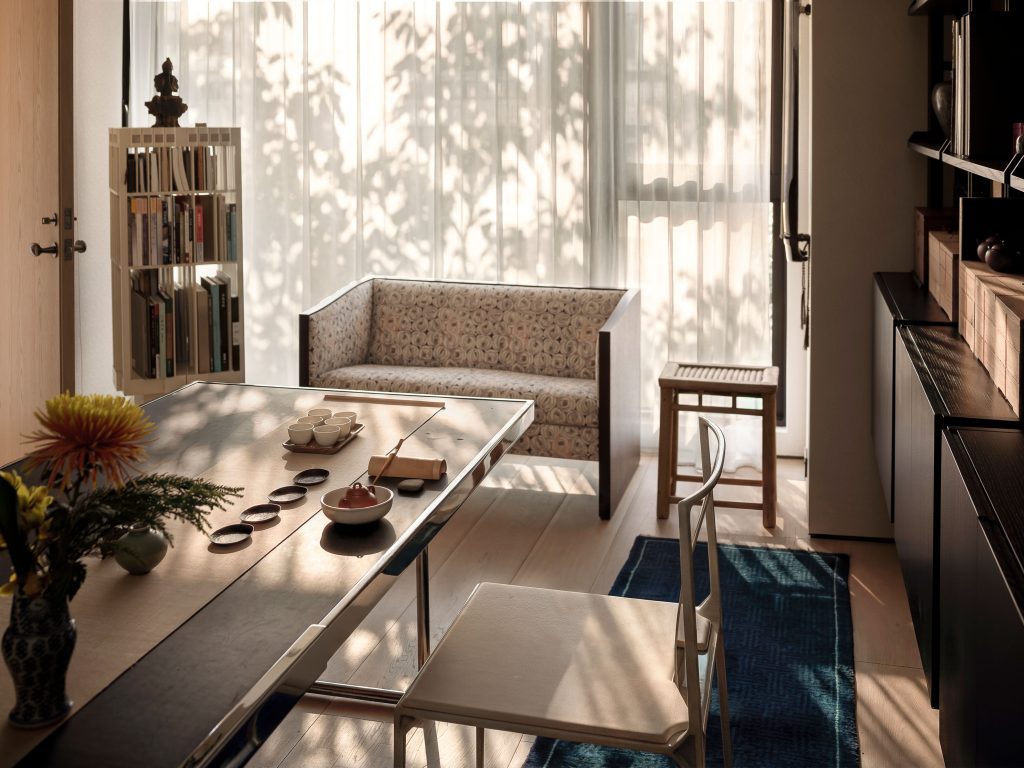
- The Social Hub: A grand setting anchored by a classic, dark wood tea table and an expansive accent wall showcasing the family’s collection of artisanal tea ware.
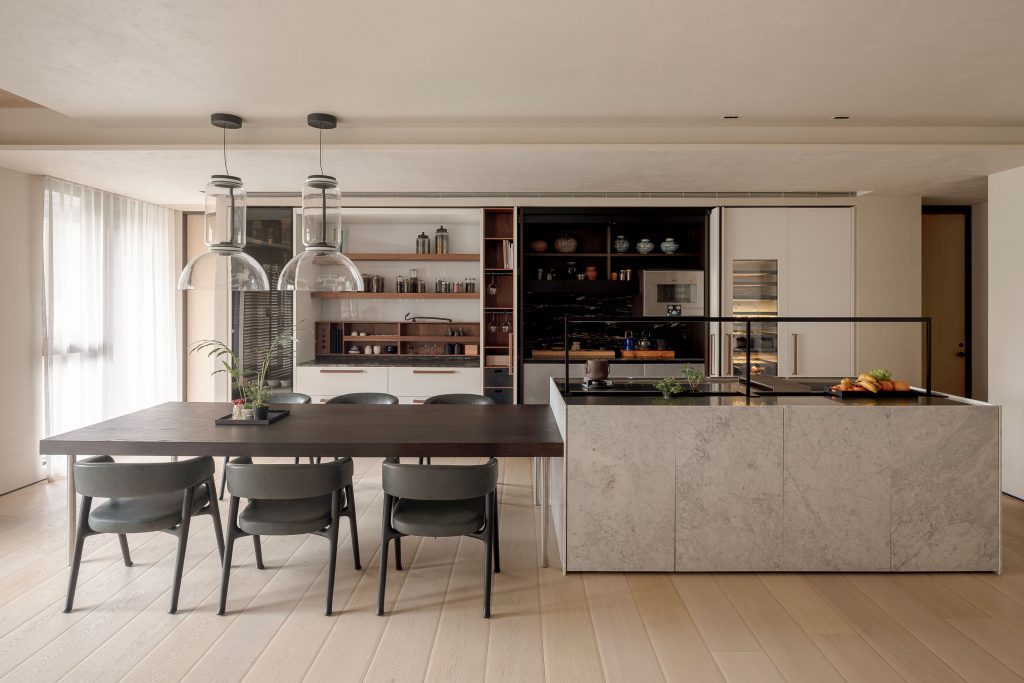
Similarly, the culinary architecture is split into separate Chinese and Western kitchens. This ensures that high-heat, traditional cooking and modern Western preparation can happen simultaneously without olfactory or spatial interference.
Materiality: A Warm, Texture-Driven Take on Wabi-Sabi Aesthetics
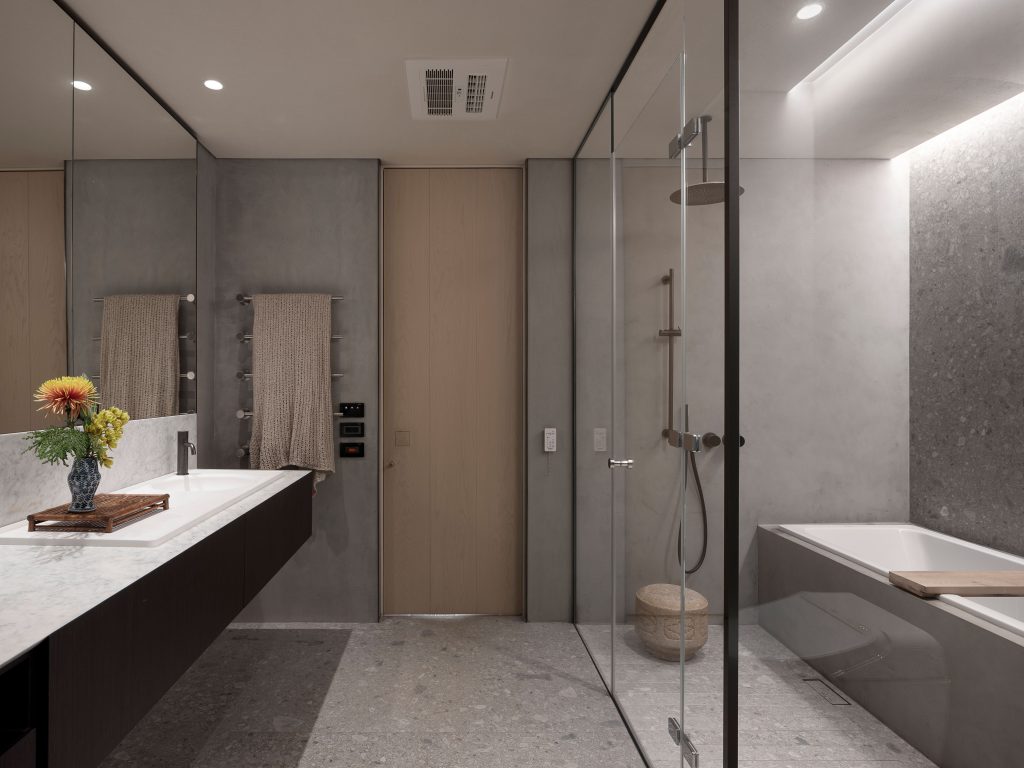
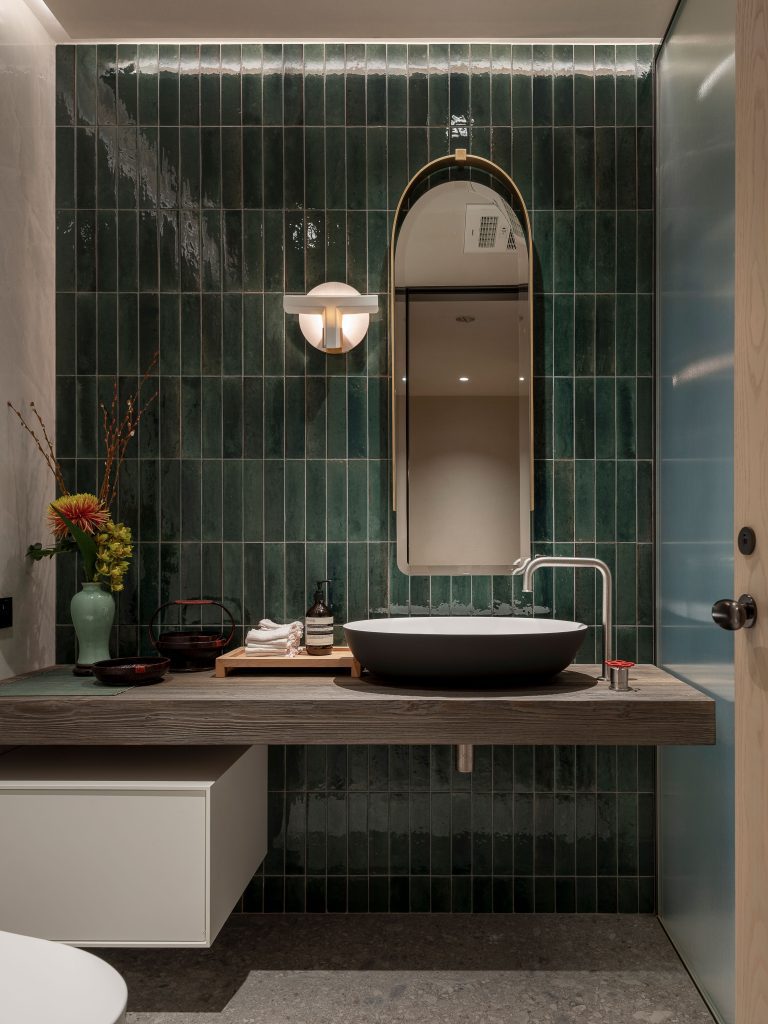
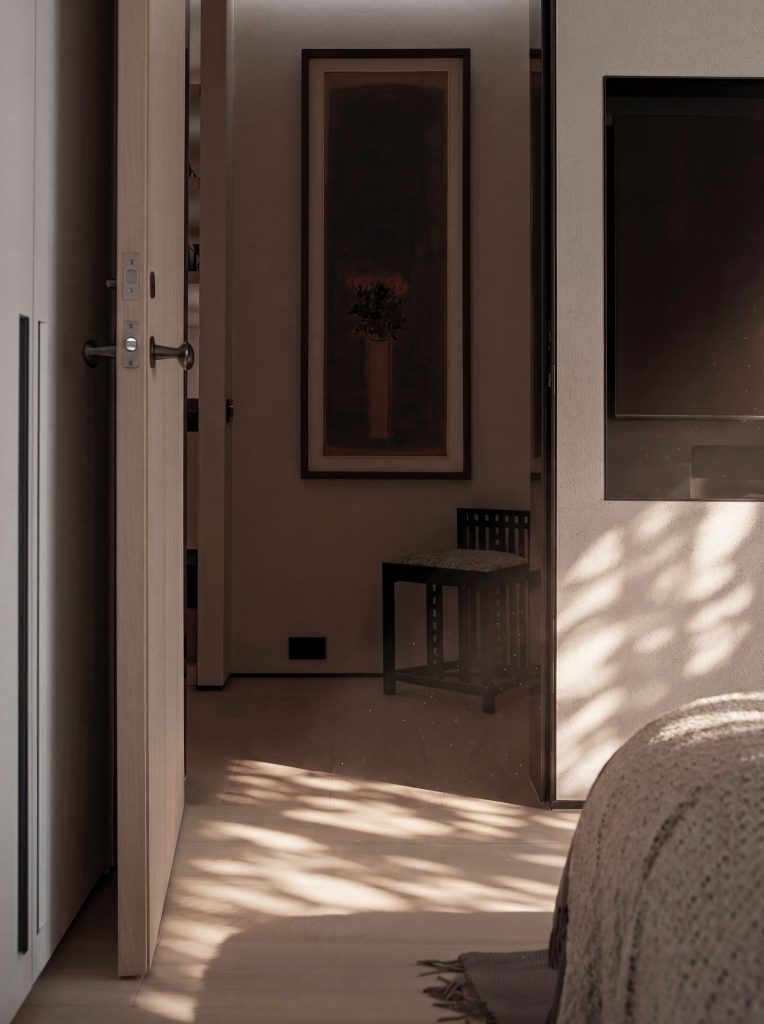
Departing from the cold minimalism often found in luxury penthouses, the apartment embraces an atmosphere of profound stillness. The color palette purposefully eschews bold, jarring pigments in favor of a soft beige foundation. Large architectural windows fitted with adjustable louvers control the incoming daylight, painting shifting patterns of shadow across the muted walls throughout the day. While the home references the restrained, rustic simplicity of wabi-sabi aesthetics, it avoids starkness by layering rich, tactile materials.
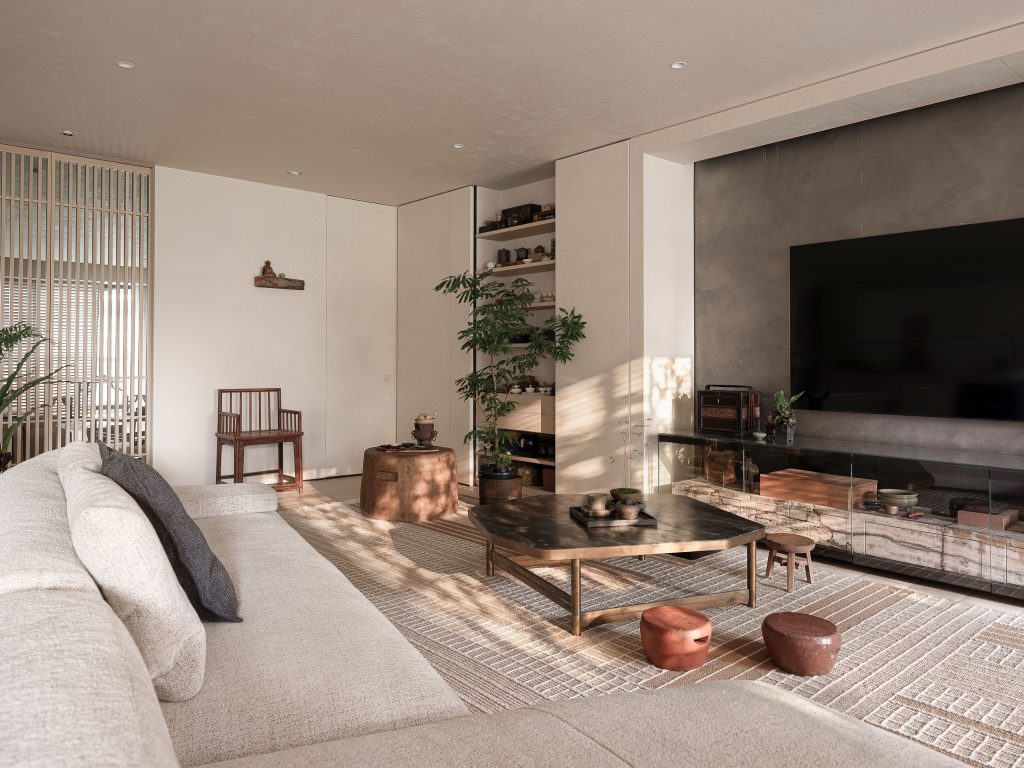
The Living Museum: Curating Antiquities for Everyday Life
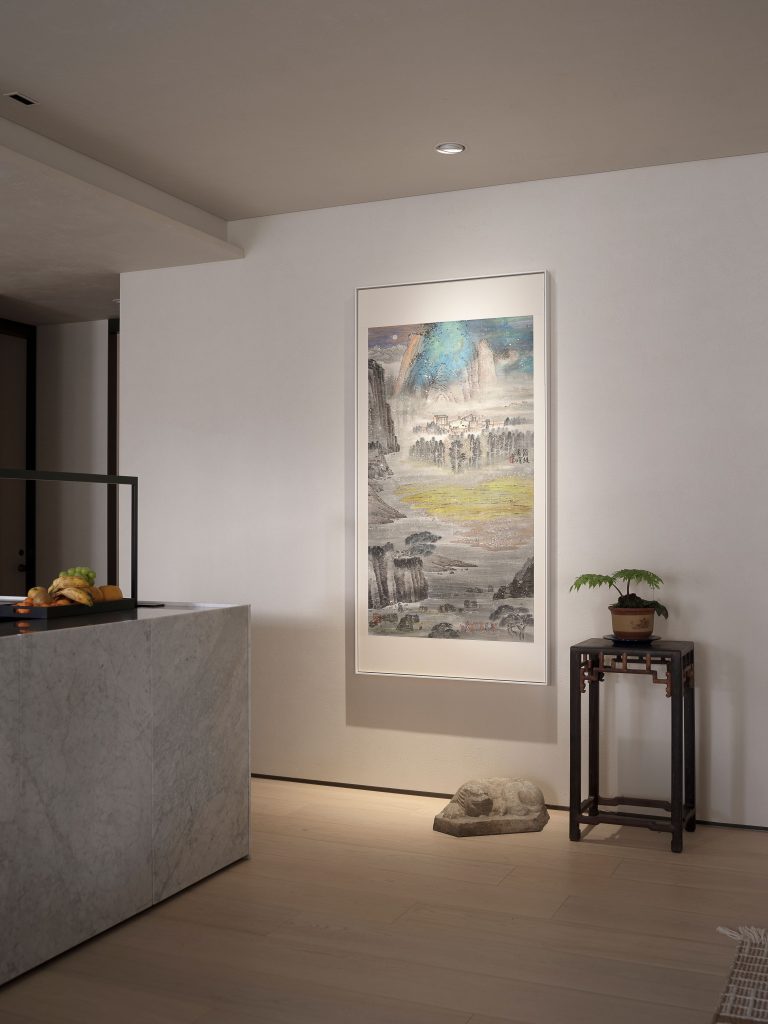
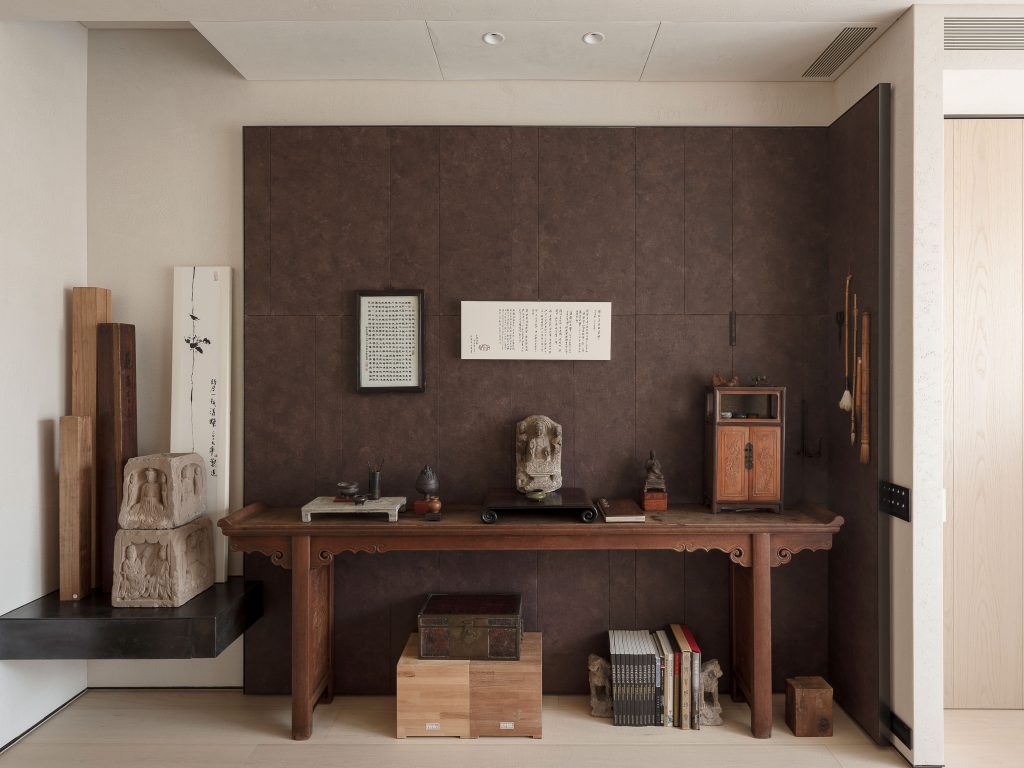
What truly elevates this residence is its curation of art. Rather than treating family heirlooms and auction acquisitions as static gallery displays, the design integrates them directly into the home’s functional layout.
Here, ancient Han dynasty stone sculptures, Western Wei Buddhist figures, and paintings by modern master Sanyu share space with avant-garde Italian furniture pieces from luxury design houses like HENGE, Cassina, and Boffi.
“When you engage with a Ming dynasty official’s hat chair at home, its materiality and sense of history are far more valuable than any luxury item. These pieces should be part of the architecture itself, not mere objects on display.” — The Owner (Chih-Da Jason Lin’s Father)
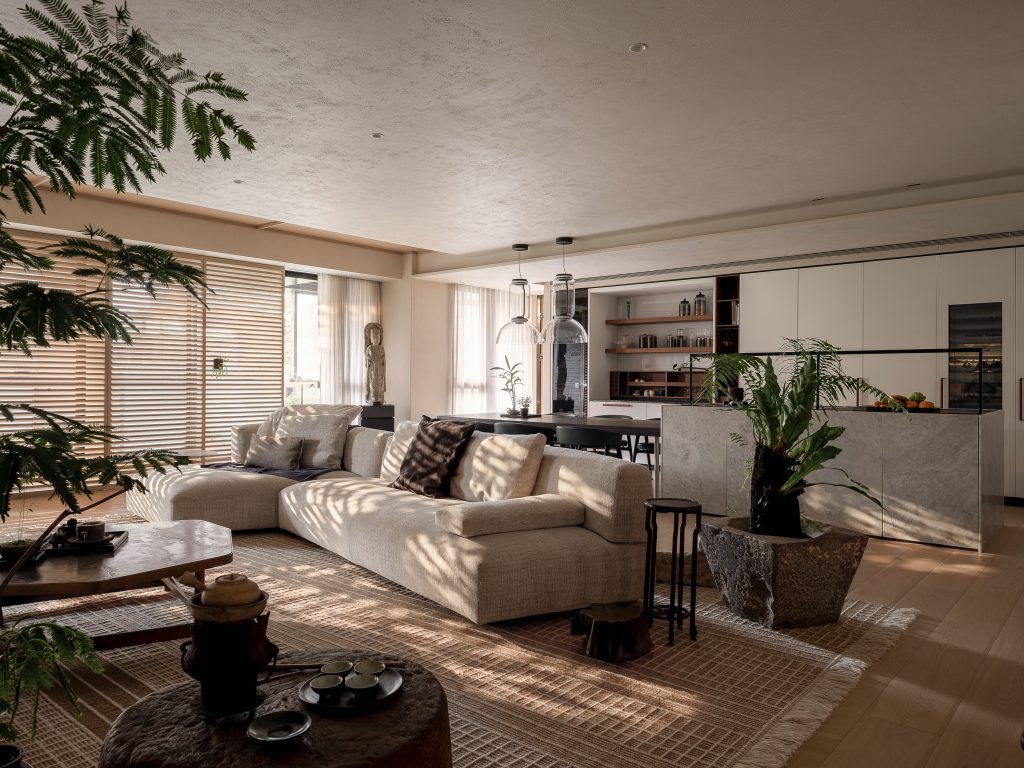
Cultural Inheritance: Weaving Personal Memory into Architecture
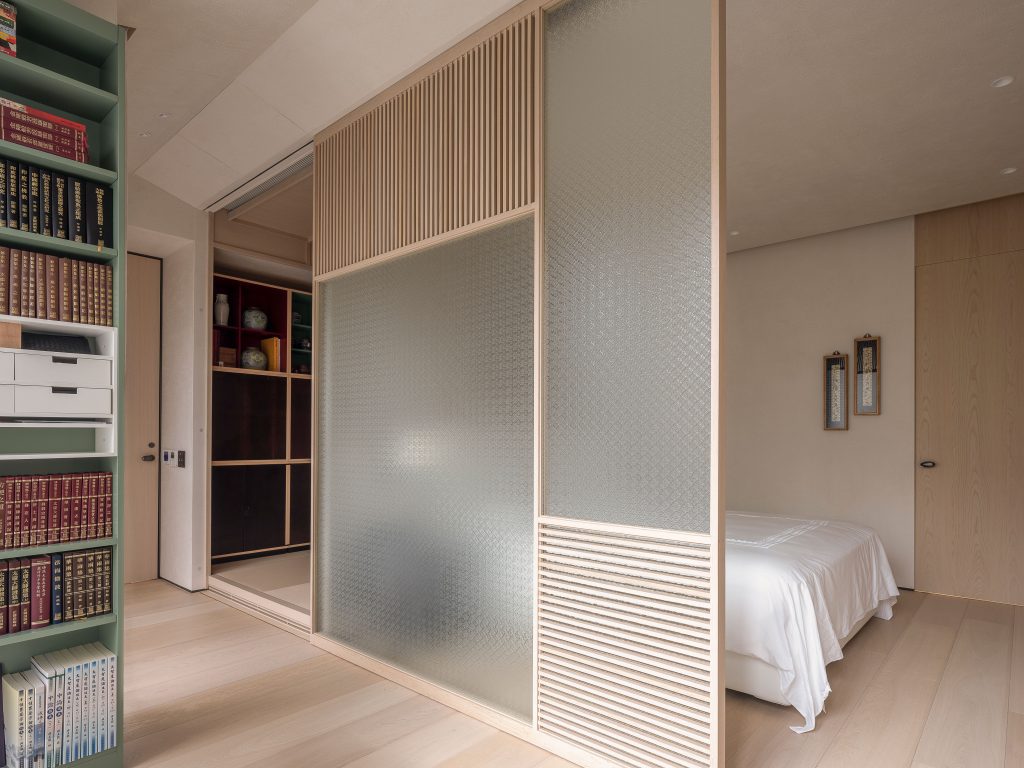
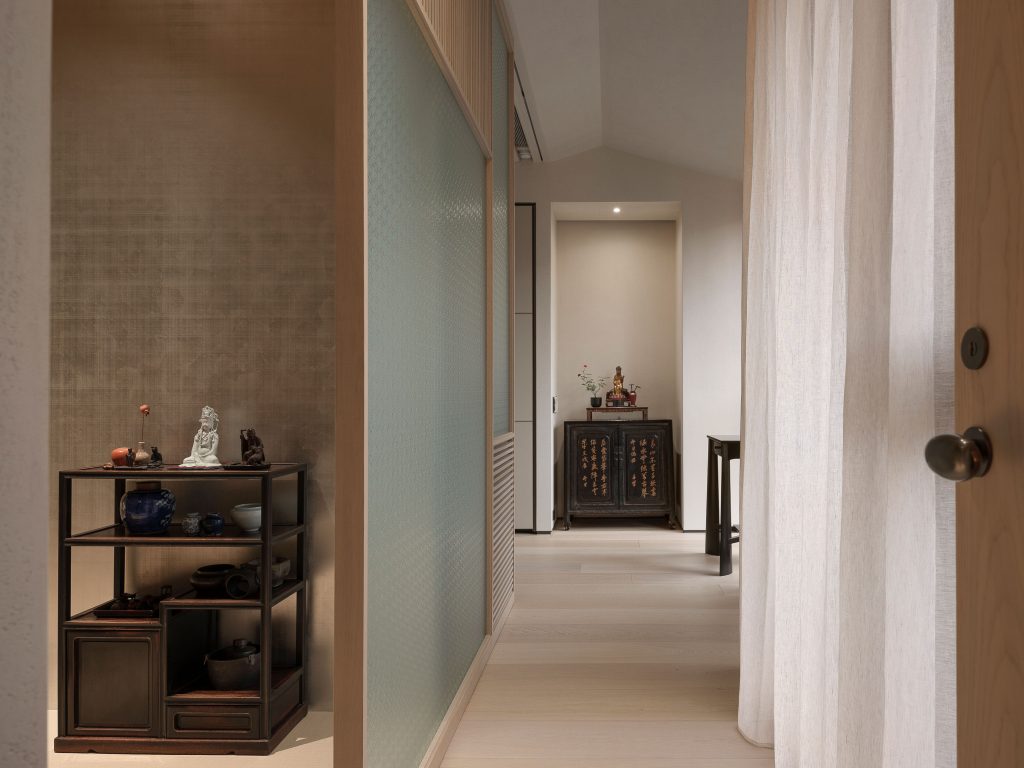
The home acts as a physical vessel for the family’s history, embedded with subtle local motifs. In the mother’s tea room, the sliding partitions feature handcrafted Taiwanese latticework, a direct architectural nod to her childhood home in Yilan.
These traditional decorative window patterns, rooted in historical Southern Fujian style, have evolved over generations into a unique local visual language. By fusing these regional craft traditions with mid-century Italian vintage elements and antique Minnan furniture, the apartment establishes a quiet, trans-generational continuity.
Throughout the home, carefully positioned Buddhist art and Zen design elements transcend religious iconography, serving instead as focal points for secular contemplation, mindfulness, and inner peace.
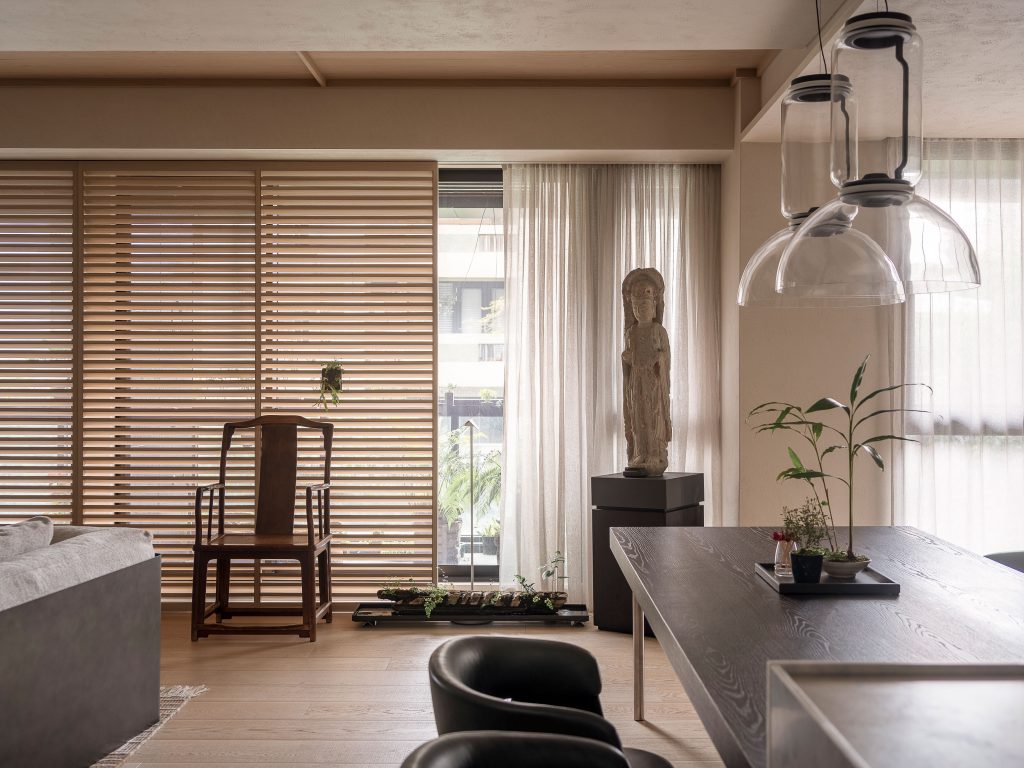
Conclusion: A New Blueprint for Modern Urban Luxury
Chih-Da Jason Lin’s design redefines what a luxury urban residence can be. By dismantling the boundary between a high-art gallery and a functional domestic space, the home proves that museum-quality antiquities can be comfortably lived with, enriching the mental well-being of its inhabitants. By extending the historic, literary spirit of Qingtian Street inward, this residence stands as a rare, peaceful haven within the heart of Taipei, a beautifully balanced environment where architectural logic meets the warmth of family heritage.
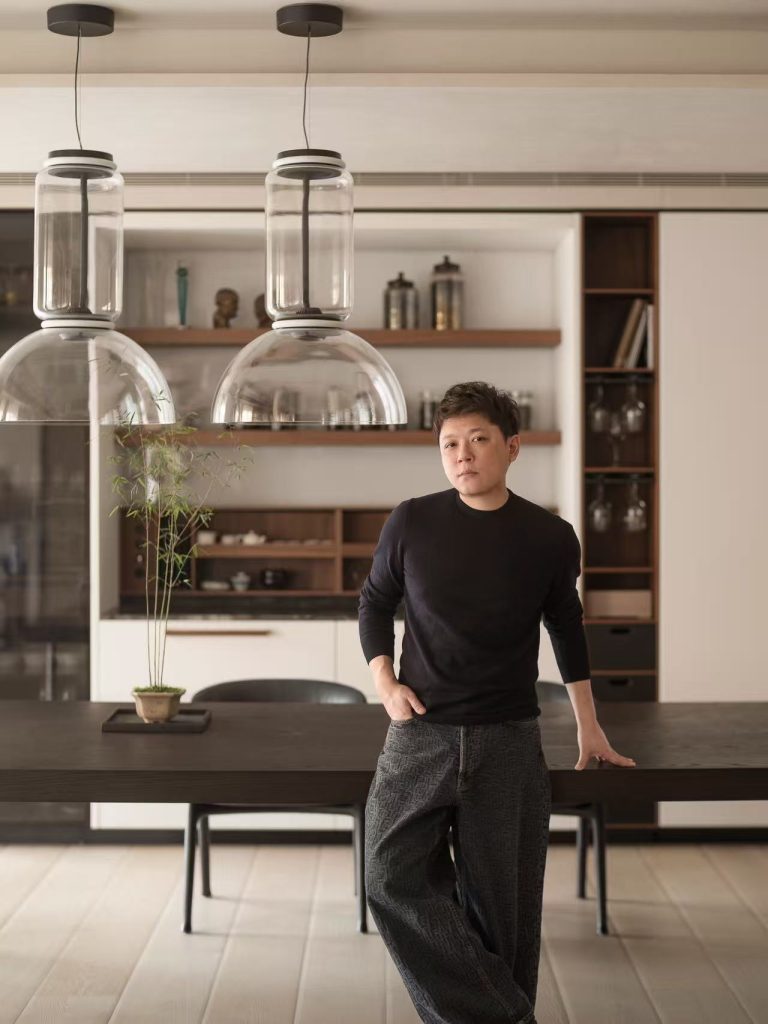
Architect Chih-Da Jason Lin
Architect | Interior Designer | Cultural Advocate
Born into a culturally distinguished family in Taipei, Chih-Da Jason Lin spent 15 years in London before establishing his practice in China, where he has built over a decade of experience across architecture, interiors, and cultural development. His work is known for its narrative-driven spatial approach, with key projects including Shanghai Shui on Land’s Lakeville developments and the acclaimed “Producer’s House” (2021), recognized among China’s top luxury residences.
Lin holds a BA in Interior and Spatial Design from Chelsea College of Art and Design, University of the Arts London, and a Diploma in Architecture from the Architectural Association School of Architecture. He is the Co-Founder and Design Director of HNLIN Design Center and the Founder of Superorganism. His broader cultural contributions include serving as Chief Architect of 751D-PARK Beijing Fashion Design Plaza, a landmark industrial-to-cultural regeneration project, and as a committee member of the Museum of Modern Art Guangzhou.
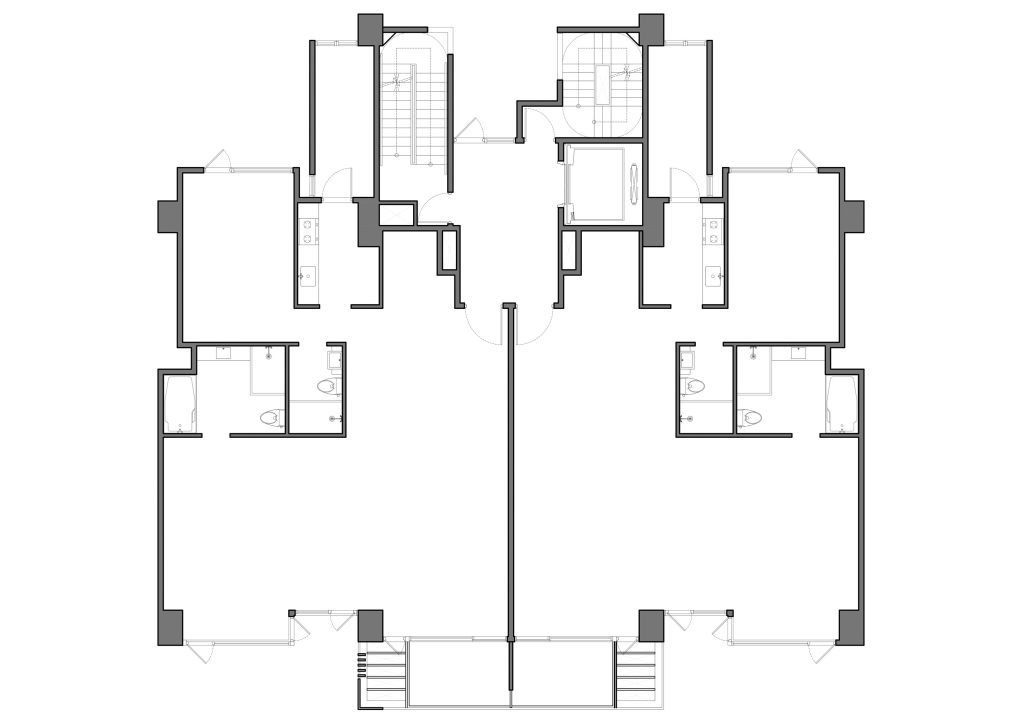
Master Floor Plan before web
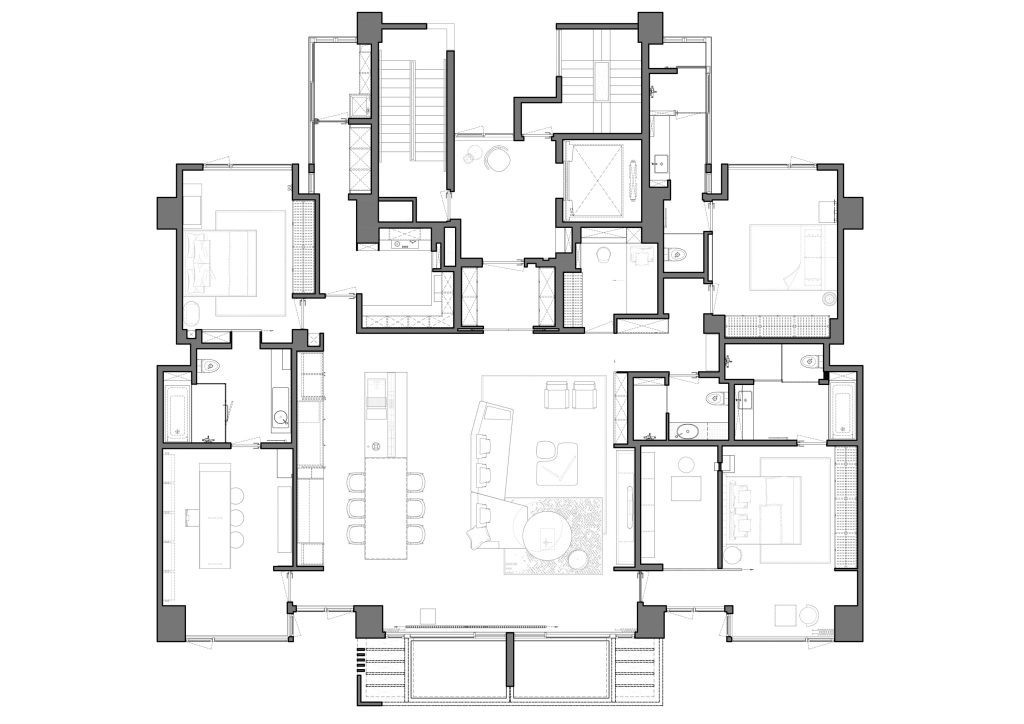
Master Floor Plan after web
Project Information
Project Name: Taipei Collector’s House
Location: Qingtian Street, Da’an District, Taipei
Design Company: Superorganism Architects
Chief Designer: Chih-Da Jason Lin
Design Period: 2023.1-6
Construction Period: 2023.7 – 2025.7
Total Interior Area: 350 sqm
Total Budget: 7 million RMB
Main Materials: Oak, Tiles, Marble, Wall Paints
Photographer: Boris Shiu