For generations, intricate hair braiding has stood as a celebrated artistry deeply rooted in African cultural identity. Yet, behind every stunning set of box braids or cornrows lies hours of intense physical labor, wrist fatigue, and back strain for hair stylists.
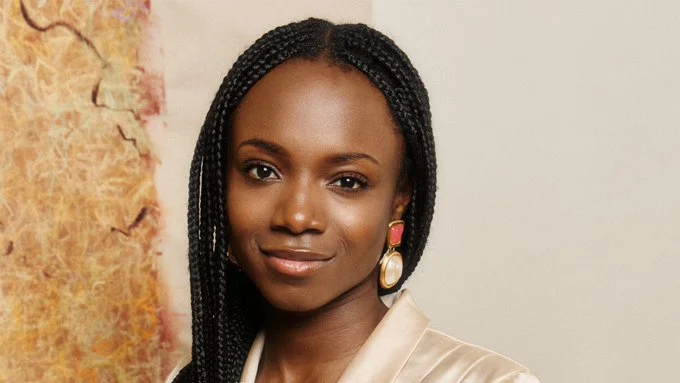
Enter Yinka Ogunbiyi, a visionary Nigerian-American mechanical engineer who set out to change the status quo. Recently highlighted by the official Facebook page of the U.S. Mission in Nigeria, her story is a powerful testament to how African ingenuity and global excellence are reshaping modern technology.
The Minds Behind the Innovation: African Talent & Academic Rigor
The foundation of this breakthrough lies in the exceptional caliber of African talent, particularly the ingenuity that thrives across the Nigerian diaspora. Ogunbiyi’s path to pioneering beauty technology was built on world-class academic training.
As a graduate of Harvard University, universally recognized among the world’s most elite Ivy League institutions, she leveraged her top-tier engineering background to tackle a problem that traditional tech hubs had long ignored. Her journey reflects the brilliant intersection of cultural heritage, world-class education, and advanced robotics.

Yinka Ogunbiyi, a visionary Nigerian-American mechanical engineer who designed HaloBraid technology. Images source: U.S. Mission in Nigeria official Facebook page.
Inspiration & the Birth of HaloBraid
The inspiration behind HaloBraid came from a deeply relatable problem within the Black hair care experience: time and physical toll.
Traditional protective styling can take anywhere from 4 to 8 hours per client. For stylists, repeating these intricate manual movements day after day often leads to chronic wrist pain, repetitive strain injuries, and severe burnout. Seeing an opportunity to blend robotics with human craftsmanship, Ogunbiyi designed HaloBraid, the world’s first automated braid-assist robotic device.
Rather than replacing the human stylist, HaloBraid functions as an intelligent assistant. It automates and accelerates the repetitive feeding and tension-regulating stages of the braiding process. By taking over the most mechanically demanding tasks, it drastically slashes styling time while shielding stylists from severe physical wear and tear.
Transforming the Global Beauty & Salon Industry
The arrival of braid-assist robotics is nothing short of a paradigm shift for the hair salon industry:
- Drastic Time Reduction: By accelerating the braiding sequence, clients spend a fraction of the usual hours in the chair, making protective styling far more accessible for busy lifestyles.
- Ergonomic Relief for Stylists: Stylists can double their daily capacity without increasing physical fatigue, preserving their health and extending their careers.
- Boosted Business Revenue: Faster turnarounds allow salons to serve significantly more clients each day, directly scaling their earning potential.
$7 Million Raised and Rapid Commercial Momentum
Investors and salon owners alike have taken notice. HaloBraid successfully secured $7 million in seed funding, proving that beauty tech focused on textured hair care is an immensely lucrative market. Demand for the technology is skyrocketing. Over 7,000 salons worldwide have already joined the waitlist to integrate HaloBraid into their daily operations. What began as an inventive solution to a personal pain point has swiftly evolved into a high-growth, globally disruptive business.
Looking Ahead: The Future of Braid-Assist Tech
The story of Yinka Ogunbiyi and HaloBraid marks the beginning of a broader movement where engineering meets cultural beauty needs. As HaloBraid prepares to roll out to salons internationally, it sets a bold precedent for future innovations: proving that when diverse talent addresses underserved markets with cutting-edge technology, the impact is truly global.
Onoruoyiza Abdulrahaman
Tech Editor, Buildace Magazine